South Africa hosts one of the largest populations of refugees and asylum seekers in the region. The country is a signatory to international and regional agreements governing refugee protection, including the 1951 UN Refugee Convention, its 1967 Protocol, and the 1969 Organisation of African Unity Refugee Convention. These frameworks outline the circumstances under which individuals are granted refugee status, primarily when they flee their home countries due to persecution, armed conflict, violence, or events seriously disturbing public order. Returning to their countries of origin could place their lives or freedom at risk, necessitating international protection. The Department of Home Affairs, in conjunction with organizations like UNHCR, manages the processes for assessing and granting this status within South Africa. The nation's legal commitments are central to its approach to managing displaced populations seeking safety within its borders, showing its role as a protector of human rights on the continent and globally.
Legal Framework and Protections
South Africa integrates its international obligations into domestic law through the Refugees Act. This full piece of legislation provides the legal backbone for the country's asylum system, detailing the procedures for applying for and receiving refugee status, as well as the rights and responsibilities associated with it. The Act aligns South Africa's domestic policies with the principles established in the international conventions it has ratified, ensuring a consistent approach to the protection of displaced persons.
An asylum seeker is defined as an individual who has applied for refugee status but whose claim remains under review. This key distinction notes that an asylum seeker is in a temporary legal status, awaiting a decision on their protection claim. While their application is being processed, asylum seekers are issued a Section 22 asylum seeker permit by the Department of Home Affairs. This permit is a vital document, granting them legal temporary residence in South Africa as their case is adjudicated. If the application is successful, individuals receive recognized refugee status under a Section 24 refugee permit. This transition from a Section 22 to a Section 24 permit signifies a fundamental shift in legal standing, granting the individual more stable and full rights within the country.
Asylum seekers possess the right to have their Section 22 permit renewed for the duration that their claim, appeal, or review is pending. This provision ensures continued legal presence during the administrative process, preventing individuals from falling into an undocumented status while awaiting a final decision on their asylum application. This right to renewal is critical for maintaining their legal standing and access to any granted rights while their case is being thoroughly examined. Asylum seekers are protected against unlawful arrest, detention, or deportation under South African law. These protections are designed to prevent refoulement, which is the forced return of refugees or asylum seekers to a country where they are likely to face persecution. The principle of non-refoulement is a cornerstone of international refugee law, and its incorporation into South African domestic law shows the country's commitment to protecting vulnerable individuals from harm. The legal framework ensures that individuals seeking protection are afforded due process and are not summarily removed from the country without a full assessment of their claims.
Once recognized, refugees are permitted to live lawfully within South Africa. This status grants them certain rights and responsibilities akin to permanent residents. Their Section 24 refugee permit serves as official documentation of their protected status. Recognized refugees also have the option to apply for a refugee identity document, which serves as official proof of their legal status in the country. This document facilitates access to various services and helps ensure their integration into South African society, providing a formal means of identification within the country. The acquisition of this identity document can significantly ease day-to-day interactions and access to essential services, promoting a sense of normalcy and stability for those who have fled their homes.
Rights and Responsibilities
Asylum seekers in South Africa are guaranteed constitutional rights that extend to all individuals within the country, with the exception of specific rights reserved solely for citizens, such as the right to vote. This broad application of constitutional protections means that asylum seekers are entitled to fundamental freedoms and human rights while on South African soil. However, asylum seekers do not automatically receive permission to work; they are required to submit a separate application to obtain an endorsement that grants them the legal authority to seek employment. This additional step can sometimes present a barrier to immediate self-sufficiency, but it is a formal process designed to regulate the labour market.
Recognised refugees are entitled to apply for a refugee travel document, which facilitates international movement. This document is key for those who may need to travel outside South Africa but cannot use their country of origin's passport due to the reasons for their flight. They are also permitted to seek employment and pursue educational opportunities within South Africa. This right to work and study is fundamental for their integration and ability to rebuild their lives, contributing to the South African economy and society. Additionally, recognised refugees have access to public services, provided they meet the same legal requirements applicable to the general population. This includes access to social services, healthcare, and other government provisions, ensuring they are not excluded from essential support systems. After fulfilling specific legal criteria, recognised refugees may also apply for permanent residence in South Africa. This pathway to permanent residency offers a long-term solution for those who cannot return to their home countries, providing a more secure and stable future within South Africa.
All asylum seekers and recognised refugees are obligated to adhere to the country's laws. This is a fundamental responsibility that accompanies the rights and protections afforded to them. They must ensure their permits remain valid, notifying authorities of any changes to their residential address, and carry their official documentation at all times. These administrative requirements are essential for maintaining their legal status and for the Department of Home Affairs to keep accurate records of individuals under its protection. The Constitution of South Africa explicitly protects the right to healthcare for 'everyone,' a provision that extends to both refugees and asylum seekers within the nation's borders. This constitutional guarantee ensures that all individuals, regardless of their status, have access to necessary medical care, upholding a basic human right.
Context and Current Climate
The distinction between migrants and refugees is critical in understanding the legal and humanitarian frameworks governing their presence in South Africa. Migrants typically move voluntarily for reasons such as employment, education, or family, according to common distinctions in migration studies, and are generally able to return safely to their home countries. Their decision to move is often driven by personal choice and opportunity. In contrast, refugees flee because they face persecution, armed conflict, violence, or events seriously disturbing public order, and returning home may place their lives or freedom at risk. Their movement is involuntary, compelled by circumstances that threaten their safety and well-being, necessitating international protection. This fundamental difference in motivation and risk underpins the distinct legal protections afforded to each group.
In South Africa, individuals seeking protection must apply for asylum at a designated Refugee Reception Office. These offices are the primary points of contact for those wishing to formally request refugee status. Asylum seekers possess the right to remain legally within South Africa while their application for refugee status is being processed by the Department of Home Affairs. This legal right to stay ensures that individuals are not deported while their claims are under review, upholding the principle of non-refoulement. The process involves full interviews and assessments to determine the validity of each asylum claim, adhering to both national and international legal standards. This rigorous process is designed to ensure that protection is granted to those who genuinely qualify under the Refugees Act and international conventions.
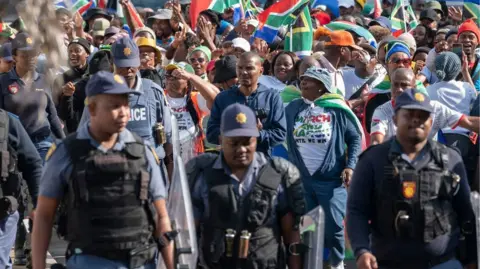
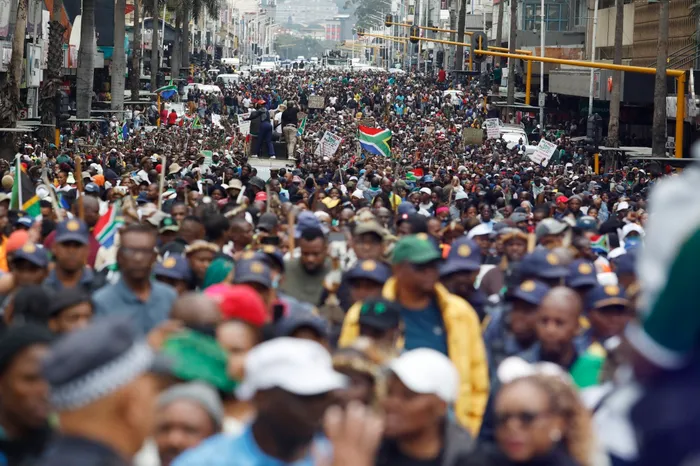
The current climate in South Africa includes heightened tensions surrounding foreign nationals. Nationwide demonstrations targeting undocumented foreign nationals were held on June 30. These protests show ongoing debates regarding immigration policies and their implementation, reflecting a complex interplay of socio-economic factors, public sentiment, and political discourse. Further anti-migrant demonstrations are anticipated, with weekly protests announced by March and March leader Jacinta Ngobese-Zuma. These demonstrations are expected to commence on Thursday, adding to the prevailing public discourse and potentially increasing pressure on government policies concerning foreign nationals. The demonstrations highlight the challenges faced by both the government in managing migration and the foreign national communities residing in South Africa, emphasizing the need for clear communication and effective policy implementation to address underlying concerns and prevent xenophobic incidents. Understanding the legal framework for refugees and asylum seekers is therefore key in navigating these complex societal dynamics.