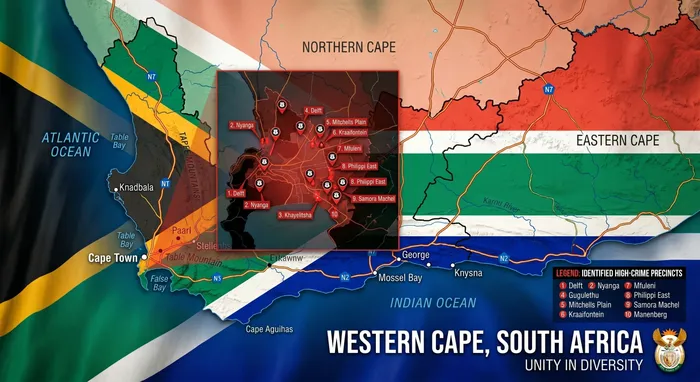
Crime statistics released by the South African Police Service (SAPS) consistently identify specific police precincts as high-crime zones, with the majority concentrated in Cape Town's Cape Flats region. These areas are frequently ranked among the 10 most dangerous in the Western Cape and some of the highest nationwide for violent crimes, including murder and attempted murder. This persistent pattern of severe criminality shows significant public safety concerns across the province. Deep-seated challenges such as gang violence, poverty, and high unemployment fuel severe contact crime rates in these localities, creating a complex environment for law enforcement and community development. The widespread nature of these socio-economic issues often exacerbates the crime problem, making sustainable solutions particularly challenging.
Delft and Mfuleni Crime Escalations
Delft frequently leads the provincial list for murder counts and faces significant challenges from ongoing gang warfare, widespread home burglaries, and persistent structural policing issues. The impact of these challenges is profound, contributing to a climate of fear and insecurity among residents. The presence of deeply entrenched gang activities often results in violent confrontations, further destabilizing communities. Mfuleni has also seen sharp escalations in violent contact crimes and murder during recent quarters, contributing to the broader crime concerns in the region. These escalations highlight a worrying trend of increasing violence, placing additional strain on local resources and emergency services. These areas are consistently ranked among the most dangerous in the Western Cape, reflecting the severe impact of crime on local communities and the urgent need for full intervention strategies. The South African Police Service crime statistics highlight the widespread nature of these challenges, providing a stark picture of the realities faced by residents.
Nyanga and Philippi's Violent Landscape
Nyanga, historically identified as a 'murder capital,' continues to experience exceptionally high rates of carjacking, armed robbery, and severe assault. The persistent nature of these violent crimes shows the ongoing struggle for public safety within the community. Residents frequently face threats of violence, impacting their daily lives and economic activities. Philippi East and Philippi are significant hotspots for gang-related shootings, muggings, and violent friction over territory. The territorial disputes between rival gangs often spill over into public spaces, endangering innocent bystanders and creating an environment of constant tension. These areas consistently contribute to the Western Cape's elevated contact crime statistics, reflecting ongoing challenges in maintaining public safety and order. The nature of crimes reported in both Nyanga and Philippi shows the persistent impact of organized criminal activities and opportunistic violence on residents, demanding intensive policing efforts and community-based interventions.
Khayelitsha and Gugulethu Challenges
Khayelitsha, one of Cape Town’s largest townships, records very high numbers of residential robberies, hijackings, and mass shooting incidents. These incidents are frequently linked to extortion activities, particularly within its Site B and Harare precincts. The reach of criminal networks involved in extortion often extends to local businesses and residents, creating an additional layer of threat and economic burden. The scale of these crimes contributes significantly to the overall crime statistics for the Western Cape, emphasizing the need for targeted law enforcement operations and community support programs.
Gugulethu also experiences high rates of contact crimes, which include offences such as murder, attempted murder, and sexual offenses. The severity and frequency of these crimes pose a significant threat to the safety and well-being of its inhabitants. Due to the severity of these crime rates, Gugulethu is currently designated as a priority focus area for intervention by local stabilization forces. This strategic focus aims to address the persistent challenges posed by violent crime in the community, seeking to restore order and enhance public trust in law enforcement.
Mitchells Plain to Kraaifontein Hotspots
Mitchells Plain faces significant impact from high-density gang territory and localized drug trade, which drive severe rates of property theft and violent crime in the area. The extensive presence of gang activity contributes to a cycle of violence and criminality, affecting countless families and individuals. Kraaifontein consistently ranks among the national top 30 for high murder and gun-related offenses. This alarming statistic notes the widespread issue of illegal firearms and their role in escalating violent crime within the community. Samora Machel, a high-density informal area, confronts severe infrastructural backlogs, making it particularly vulnerable to violent robberies and hijackings. The lack of adequate infrastructure often creates opportunities for criminals, exacerbating the risks faced by residents. Manenberg and Hanover Park suffer from intense, recurring turf wars between deeply entrenched street gangs, contributing to ongoing instability and crime within these communities. These protracted conflicts often result in innocent lives being lost and widespread fear, showing the urgent need for sustained peace-building and crime prevention initiatives. The prevalence of these issues across these areas shows the complex challenges facing public safety in the Western Cape, requiring a multi-faceted approach involving law enforcement, social services, and community engagement.