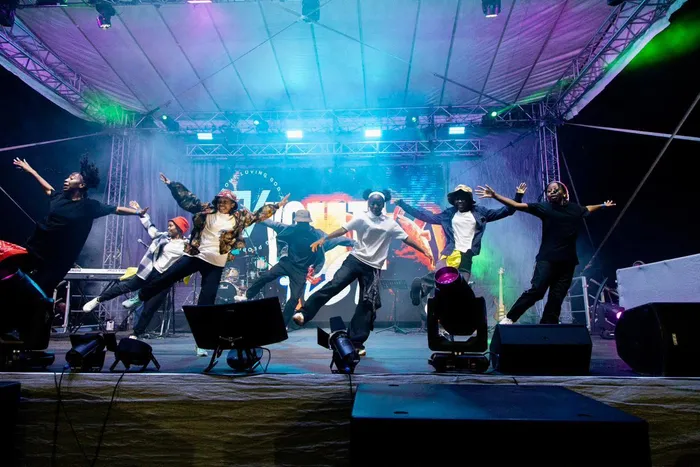
Thousands of young people from across South Africa convened at SuperSport Park Stadium in Centurion for Youth Fest 2026. This significant gathering brought together a diverse group of participants, all united in their commitment to shaping the future of the nation. The event was hosted by The Volt, the dynamic youth movement of 3C Church, and served as a powerful platform as the nation commemorates the 50th anniversary of Youth Day. Held against the backdrop of Centurion's iconic SuperSport Park Stadium, the festival drew attendees from every corner of the country, eager to mark this key milestone in South Africa's history. Youth Fest 2026 passionately showed the article's central claim that South Africa has another generation of champions ready to emerge, poised to lead the country forward. The festival provided an extensive platform for thousands of attendees to participate in a wide array of activities and engaging discussions, all meticulously designed to be relevant and empowering for the youth. It was a vibrant demonstration of the potential and spirit residing within the young people of South Africa, noting their readiness to embrace leadership and responsibility.
Echoes of 1976
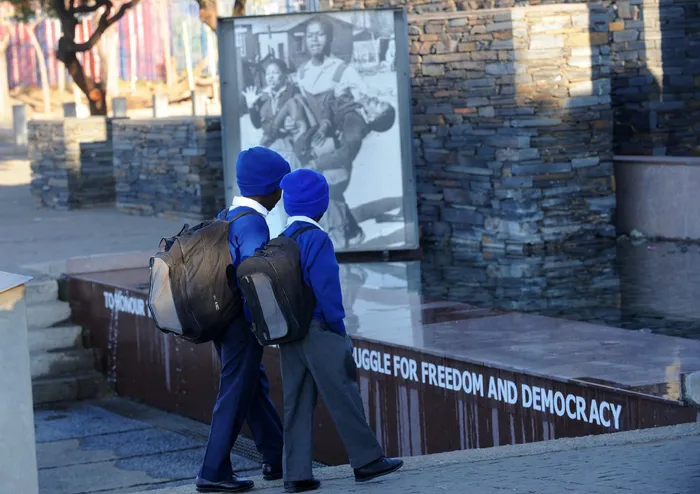
The historical significance of Youth Day resonates deeply, recalling the courage and determination of a previous generation. The youth of 1976 participated in a peaceful protest in Soweto, an event that became a defining moment in South African history and etched itself into the national consciousness. Their actions, characterized by immense bravery in the face of severe oppression, are widely recognized for helping to alter the course of the nation's history. This key moment served as a catalyst for widespread change, galvanizing both national and international support against the apartheid regime. The young people involved in these protests are unequivocally credited with contributing significantly to securing political freedom for South Africa. Their sacrifice and unwavering commitment to justice laid foundational groundwork for the democratic nation that exists today, serving as an enduring inspiration for subsequent generations. The legacy of 1976 is a potent reminder of the power of youth to drive profound societal transformation and demand a better future.
Biblical Champions and Modern Parallels
Biblical narratives provide a rich tapestry of historical examples of young individuals who, despite their age, made significant and lasting impacts on their communities and nations. These stories serve as powerful archetypes for the potential inherent in today's youth. Apostle Paul, recognizing the leadership potential and challenges faced by young people, wrote to a young leader named Timothy, instructing him with profound wisdom: "Don’t let anyone look down on you because you are young, but set an example for the believers in speech, in conduct, in love, in faith and in purity." This timeless advice encourages young leaders to embrace their roles with confidence and integrity.
The story of David, still a boy, is famously depicted as having defeated a giant, Goliath, through unwavering faith and courage, demonstrating that age is no barrier to achieving monumental feats. His victory, against all odds, became a symbol of divine intervention and youthful valor. Similarly, the prophet Jeremiah was called to influence nations while still a youth, tasked with delivering challenging messages of reform and hope to his people, showcasing the early anointing of leadership. King Josiah, another remarkable figure, was described as a young man when he initiated profound reforms in Judah, courageously choosing to seek God and embarking on a mission to restore the worship of the Lord throughout Judah. His reign marked a period of significant spiritual revival and national renewal, driven by his youthful zeal and commitment to righteousness. Daniel and his friends are noted for maintaining their unshakeable faithfulness to God within a foreign culture, kingdom, and generation, even under immense pressure to compromise their beliefs. Their steadfastness in Babylon serves as an example of integrity and resilience in challenging environments, illustrating that young people can uphold their values even when surrounded by opposing forces. These biblical accounts collectively offer compelling parallels for the modern generation, affirming that youth is not a limitation but rather a period of immense potential for leadership, courage, and transformative action.
Overcoming Fear and Embracing Purpose
This generation is unequivocally called to help build a society marked by fundamental virtues: faith, integrity, opportunity, responsibility, reconciliation, and hope. These are not merely aspirations but actionable pillars upon which a stronger South Africa can be constructed. The nation of South Africa requires a generation willing to genuinely carry the burden of the nation, demonstrating a deep commitment to working tirelessly towards the establishment of stronger families, the cultivation of ethical leadership across all sectors, the creation of safer communities for all citizens, the provision of quality education accessible to every child, the expansion of economic opportunity for all, and the pursuit of justice and reconciliation as essential components of national healing. These full objectives highlight the profound and broad societal transformation envisioned for the country, requiring sustained effort and collective dedication.
However, fear is consistently identified as a significant and widespread obstacle to achieving these noble goals. This includes the debilitating fear of failure, which can paralyze initiative and prevent individuals from taking necessary risks. There is also the fear of rejection, which can lead to self-censorship and an unwillingness to articulate bold ideas or stand apart from the crowd. The fear of criticism, often harsh and public, can deter individuals from expressing their authentic selves or pursuing unconventional paths. Additionally, the fear of standing alone, of being the sole voice for change or justice, is cited as a significant barrier that can hinder progress and individual action, discouraging dissent or independent thought. Finally, the fear of making mistakes, an inherent part of any learning or growth process, is also cited as a barrier that can stifle innovation and prevent necessary experimentation. These various fears, whether conscious or subconscious, collectively represent profound psychological and emotional challenges that individuals within this generation may need to courageously overcome to fully fulfill their roles effectively and contribute meaningfully to societal betterment. Every generation, it is asserted with conviction, must make a fundamental and decisive choice regarding its legacy: whether it will rise to the occasion and produce champions who actively contribute to societal betterment, demonstrating courage and leadership, or whether its members will succumb to inaction and fear, allowing their potential to remain unfulfilled. The call to action is clear and resonant, emphasizing the critical importance of this choice for the future trajectory and prosperity of South Africa. It implores the youth to embrace their inherent power and responsibility, recognizing that their decisions today will profoundly shape the nation's tomorrow.