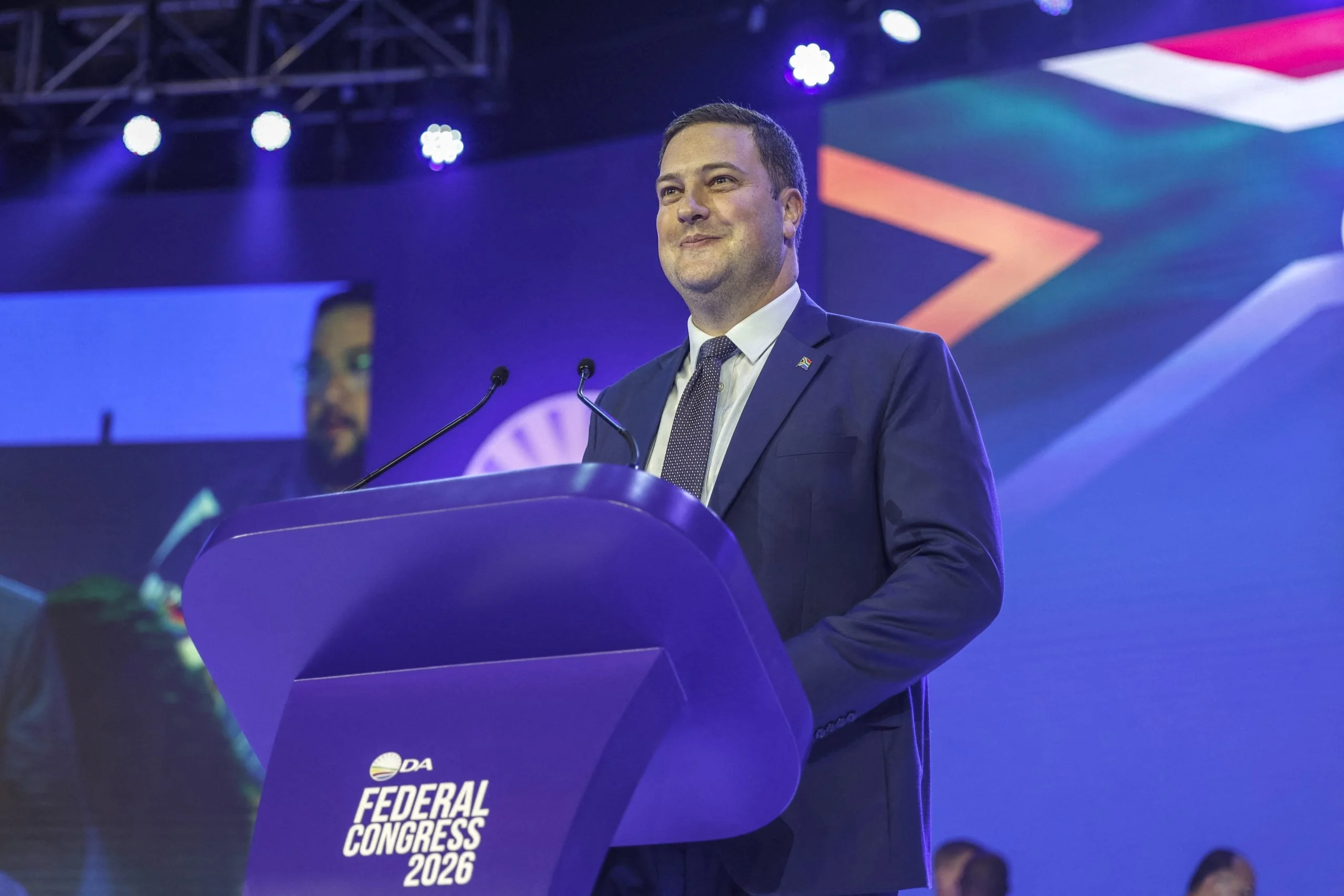
Senior leaders within the Democratic Alliance (DA) have expressed significant apprehension regarding party leader Geordin Hill-Lewis's proposed reshuffling of DA ministers and deputy ministers. This internal discord notes a growing tension within the party's upper echelons. The concerns about these substantial internal party changes were brought to light and published today at 18:28 pm (GMT +1) on the reputable news platform theafricareport.com. The detailed report indicates a significant and widespread internal backlash among several senior figures concerning the proposed adjustments to key ministerial and deputy ministerial roles, suggesting a deeper disagreement over the party's strategic direction and leadership structure.
Proposed Leadership Changes Stoke Controversy
Democratic Alliance leader Geordin Hill-Lewis reportedly initiated a request for a notable demotion concerning former party leader John Steenhuisen. This specific proposal, which has emerged as a central point of contention and sparked considerable internal backlash, involved moving Mr. Steenhuisen from his current prominent position as Agriculture Minister. Under Hill-Lewis's plan, Mr. Steenhuisen would instead be reassigned to the role of deputy minister of trade, industry and competition. This proposed demotion is among the most impactful changes put forth by Geordin Hill-Lewis, and it has undeniably caused widespread apprehension and unease among numerous senior DA figures. These internal party adjustments are not merely administrative; they concern significant shifts in ministerial and deputy ministerial roles within the broader political structure, potentially altering the balance of power and influence within the party.
Concerns Over Consultation Process Fuel Discontent
The reshuffling proposals put forth by Democratic Alliance leader Geordin Hill-Lewis have reportedly generated substantial concerns, primarily because they were made without consulting the party's top leadership. This critical lack of consultation has been identified as a key contributing factor to the intense internal backlash now evident within the Democratic Alliance regarding the proposed adjustments to ministerial and deputy ministerial roles. Senior figures within the party have openly expressed their profound apprehension and dissatisfaction over the process by which these significant changes were presented and, seemingly, decided upon. The proposals, which notably include a potential demotion for former party leader John Steenhuisen from his current post as Agriculture Minister to the less senior position of deputy minister of trade, industry and competition, have become a major point of contention among the DA's senior ranks, according to the detailed reports. The absence of prior discussion with key leaders has led to accusations of unilateral decision-making, further exacerbating the internal friction. These internal party adjustments, concerning critical ministerial and deputy ministerial roles, are now under scrutiny not just for their content but also for the manner in which they were introduced, raising questions about transparency and collaborative leadership within the party.
Wider Political Ramifications Emerge
The proposed changes within the Democratic Alliance have reportedly created a palpable sense of unease, extending beyond the DA's internal structures to impact the ruling African National Congress (ANC) as well. The internal reshuffling proposals, specifically those put forth by DA leader Geordin Hill-Lewis, have drawn considerable attention and scrutiny from across the entire political spectrum in South Africa. This broader apprehension suggests that the internal dynamics and leadership struggles of one major political party can indeed have significant ripple effects, impacting the perceptions, strategic planning, and overall stability of other significant political entities, including the governing party. The report indicates that the nature of these proposed adjustments to ministerial and deputy ministerial roles has extended its influence far beyond the immediate party structures, affecting the political climate more widely and potentially signaling shifts in the country's political landscape. The lack of consultation and the potential demotion of a high-profile figure like John Steenhuisen are being watched closely, as they could signify deeper instability or a power struggle within one of South Africa's most prominent opposition parties.