From the archive
Empowering Voters: How to Shape South Africa's Urban Future Before Elections
South African voters can shape urban development and service delivery by pushing municipalities for better planning before the 2026 local elections.
South African voters have a critical opportunity to influence urban development ahead of the local government elections scheduled for November 5, 2026. These elections come as experts highlight systemic issues within municipal planning that directly impact daily life. The outcome of these elections will significantly shape the trajectory of urban growth and service provision across the nation.
Hope Magidimisha-Chipungu, a Full Professor at the University of KwaZulu-Natal, stated that "Potholes and water outages often begin with bad planning. A town planner explains seven ways South Africans can push municipalities to do better." This perspective shows the often-overlooked role of town planning, which is frequently cited as the most under-discussed, under-resourced, and consequential function of South African local government. The upcoming elections provide a platform for citizens to demand improvements in this vital area, ensuring that their voices are heard in decisions that directly affect their living environments.
The Planning Foundation of Services
Service delivery outcomes are directly shaped by prior decisions concerning residential locations, employment zones, population density, and land ownership, according to urban planning principles. Indeed, service delivery is fundamentally what happens after these foundational decisions about where people live, where they work, population density, and land ownership have been established. South Africa's Spatial Planning and Land Use Management Act has shifted the authority for rezoning decisions to municipal tribunals, decentralising a key aspect of urban development. This legislative change means that local bodies now hold significant power over how land is used and transformed. However, conventional spatial planning approaches frequently overlook the distinct travel patterns of certain demographic groups, such as women, caregivers, and informal traders, who often require multi-stop journeys, travel during off-peak hours, and prioritise safety. Recognising these diverse needs is key for creating truly inclusive urban spaces.
Hope Magidimisha-Chipungu, a Full Professor at the University of KwaZulu-Natal, outlines essential steps for urban improvement. She stated, "For South Africa to improve its towns and cities, municipalities must employ qualified planners, fund this work properly, make departments plan together and publish clear reasons for development decisions." Magidimisha-Chipungu further emphasised the role of citizens and elected officials, adding, "Residents should ask not only when a pothole will be repaired, but why a development was approved, who approved it, which plan guided the decision and how it will be carried out. Councillors must treat town planning as a major public responsibility because it determines where people live, how they travel and who has access to jobs and services." This perspective aligns with her work detailed in the book 'Spatial Planning in Service Delivery: Towards Distributive Justice in South Africa', which explores equitable urban development and advocates for planning processes that actively promote fairness and access for all residents.
Understanding Municipal Frameworks
Municipalities in South Africa are mandated to develop Integrated Development Plans (IDPs), which serve as strategic blueprints. These plans detail how local councils intend to allocate budgets for urban upgrades and the provision of essential services to residents. The IDPs are central to municipal operations, outlining development priorities and resource deployment across various sectors. These full plans are designed to be a five-year strategic roadmap, guiding all planning, budgeting, and implementation activities within a municipality. They are key for ensuring that local government functions in a coordinated and effective manner, addressing the diverse needs of its population.
Residents possess mechanisms to influence and monitor these planning processes. One such mechanism involves advocating for the Spatial Development Framework (SDF), a key component of the IDP. The SDF guides land use and development patterns within a municipality, and citizens can hold elected councillors accountable for adherence to its stipulations. This framework is intended to ensure that urban growth aligns with broader spatial planning objectives, promoting sustainable and equitable development. The SDF provides a long-term vision for the spatial form and structure of a municipality, indicating where growth should occur, where conservation is prioritised, and how different land uses should be integrated. By engaging with the SDF, residents can directly influence decisions about local infrastructure, environmental protection, and the location of services.
However, compliance with these frameworks has presented challenges. Data from 2024 indicates that only 51% of South African municipalities were compliant with their own Spatial Development Frameworks. This figure suggests a significant gap between planned spatial development and actual implementation across the country's local government structures. The lack of full compliance can lead to uncoordinated development and exacerbate existing urban issues, such as inadequate infrastructure, environmental degradation, and unequal access to opportunities. This compliance deficit notes a critical area where citizen oversight and advocacy can drive significant improvements, pushing municipalities to honour their own planning commitments.
The broader effort to improve urban environments and planning is also supported by academic research. Hope Magidimisha-Chipungu, a Full Professor at the University of KwaZulu-Natal, leads research as South Africa’s SARChI Chair for Inclusive Cities. This role focuses on understanding and addressing issues related to urban inclusivity and spatial justice, contributing to the discourse on effective municipal frameworks and their impact on residents' lives. The research aims to inform policy and practice for more equitable and functional urban spaces, providing evidence-based recommendations for policy-makers and urban planners. This academic engagement is vital for developing innovative solutions to complex urban challenges and ensuring that planning decisions are grounded in sound research and a commitment to social equity.
Addressing Housing and Informal Settlements
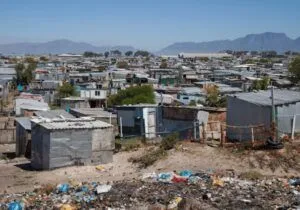
South Africa faces a significant housing deficit, with estimates indicating a shortfall of between 2.1 million and 2.6 million homes. This shortage contributes to the prevalence of informal settlements across the country, which represent a critical challenge for urban planners and local authorities. More than two million households currently reside in over 4,000 informal settlements, noting a substantial urban challenge that requires urgent and strategic intervention. These settlements often lack basic services and infrastructure, posing significant health and safety risks to residents. The scale of this issue necessitates a full and empathetic approach from all levels of government.
The reality of these settlements necessitates a specific approach from municipalities. Urban planning experts suggest that local governments should integrate these existing informal communities into their development strategies. This involves allocating increased resources towards essential services within these areas. Municipalities need to plan around the current situation by dedicating more funding towards improving infrastructure for water, sanitation, electricity, and roads in locations where residents have already established their homes. This strategy aims to enhance living conditions and integrate informal settlements more effectively into the broader urban fabric, rather than relying solely on relocation or demolition. Providing basic services in situ can significantly improve the quality of life for millions of South Africans and foster more resilient communities. Such an approach acknowledges the existing social capital and economic activities within these settlements, seeking to upgrade rather than erase them.
Key Actions for Engaged Citizens
The article suggests seven priority areas where residents can take action ahead of the local government elections. These actions empower citizens to move beyond passive observation and actively shape their urban environments. One area for citizen inquiry involves the often-separated municipal transport and land departments, which have approved thousands of homes without ensuring corresponding improvements in transport infrastructure. This siloed approach often leads to increased traffic congestion, longer commutes, and inadequate public transport options for new residents. Citizens can demand better coordination between these departments to ensure that development is holistic and sustainable. Residents can also investigate the allocation of their municipality’s housing budget by asking what percentage is spent on upgrading existing informal settlements compared to new housing developments. This inquiry can reveal whether municipal spending truly addresses the most pressing housing needs or prioritises new, often more visible, projects.
Beyond financial scrutiny, citizens are encouraged to inquire about the number of qualified planners a municipality employs, shifting focus from solely addressing corruption to also understanding technical capacity. A well-staffed and skilled planning department is fundamental to effective urban development, ensuring that plans are technically sound and implementable. Understanding the professional capacity of the municipal planning office can provide insights into the quality of decisions being made. Meanwhile, specific concerns have emerged regarding municipal planning bodies. Cape Town’s Municipal Planning Tribunal, for instance, has faced allegations that it altered its planning bylaw to permit tribunal members to return to their positions after their stipulated 10-year terms had concluded. Such allegations raise questions about governance, transparency, and the potential for long-serving members to exert undue influence over planning decisions. Citizens have a key role in scrutinising these processes to ensure accountability and fairness in urban development. By engaging with these specific issues, voters can push for more transparent, equitable, and effective municipal planning that genuinely serves the needs of all residents.