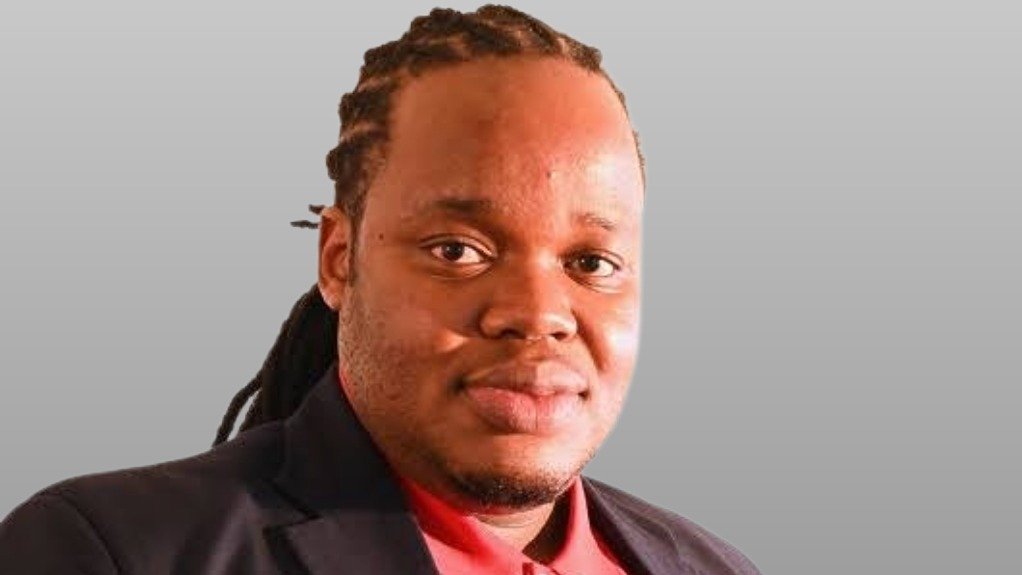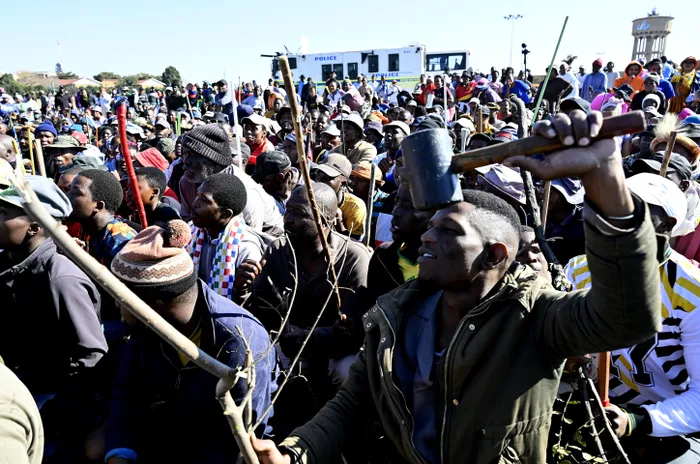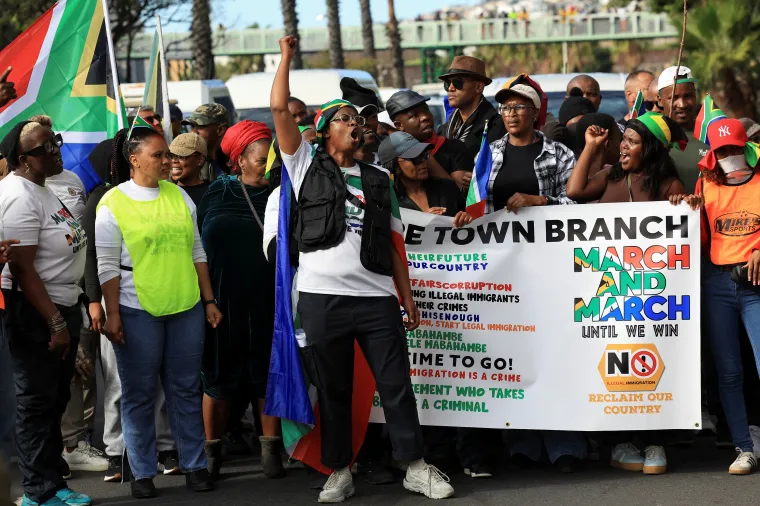
South African journalist Sakhiseni Nxumalo was threatened while reporting on an anti-migrant march in Pietermaritzburg on June 19, an event that followed the killing of two Mozambicans a few weeks prior. Nxumalo recounted that participants in the march confronted him, stating, "If you are filming, we are going to kill you." During this confrontation, Nxumalo stated that protesters pushed him and tried to grab his phone, escalating the level of intimidation he faced. Anti-migrant sentiment is reportedly increasing across South Africa, with protest groups frequently blaming undocumented foreign nationals for high unemployment rates, strained public services, and rising crime. This growing animosity has created a volatile environment, particularly for those perceived as outsiders. Nxumalo further detailed the confrontation, explaining, "Because I am dark in complexion, others started to say I was a foreigner … They asked me who I was, they asked for my [identity] documents, and they asked these questions in Zulu, and I responded in Zulu. By this time, there were about 20 of them." Protesters specifically questioned Nxumalo's identity due to his dark complexion, demanding his documents and speaking to him in Zulu, attempting to ascertain his nationality.
Journalists Under Threat
Journalists covering anti-migrant demonstrations in South Africa have faced escalating threats and harassment, noting a concerning trend for press freedom. Sakhiseni Nxumalo was told by protesters, "If you are filming, we are going to kill you," during an incident where they also attempted to delete footage from his phone. This direct threat shows the dangers reporters encounter while documenting such events. Protesters questioned Nxumalo's identity due to his dark complexion, speaking to him in Zulu and asking for his documents, a common tactic used to intimidate individuals perceived as foreign. Nxumalo stated that the protesters pushed him and tried to grab his phone during the confrontation, further obstructing his work and endangering his safety. The hostility he encountered reflects a broader pattern of aggression towards media professionals.
News 24’s student journalist and intern Yusuf Kosadia-Hassen was targeted on June 22 in Boksburg, just days after Nxumalo's incident. Protesters armed with whips accused Kosadia-Hassen of being a foreigner, asked for his identification documents, and questioned his heritage. This incident illustrates the widespread nature of these threats, extending even to student journalists. Kosadia-Hassen recounted the incident, stating, "They started asking if I was one of them, if I was South African, and asked for my ID. Then they came close and started speaking in my face and asked if I am Indian." The personal nature of these interrogations adds to the psychological pressure on journalists.
On May 21, DW’s correspondent Dianne Hawker-Kalubi and her camera operator were pushed by bodyguards accompanying M&M founder Jacinta Ngobese-Zuma. This incident indicates that threats to journalists are not solely from protesters but can also come from individuals associated with anti-migrant leaders, creating a multifaceted challenge for media safety.
The South African National Editors’ Forum (SANEF) stated on June 25 that M&M supporters had confronted, harassed, and intimidated journalists across four provinces, indicating a coordinated and widespread campaign against the press. M&M used social media to identify and target journalists, posting photographs of two journalists on Facebook after a June 20 demonstration. Getty Images photographer Wesley Fester and Agence France-Presse’s Saamwiet Moos were specifically identified and targeted by M&M on Facebook, making them vulnerable to further harassment. Fester expressed concern, stating, "What is concerning is that the protesters seem to think they have more rights than everybody else. They feel they can do anything without being held accountable." Moos noted a shift in tactics, explaining, "This is the first kind of incident where they directly targeted us and attempted to sway our reporting or influence." This direct targeting through social media represents an alarming escalation in efforts to suppress independent reporting. SANEF said journalists were targeted for exposing xenophobic rhetoric, fact-checking anti-immigration claims, and reporting on violence, showing the critical role the media plays in challenging misinformation and holding powerful groups accountable.
Rising Anti-Migrant Climate
A 29-year-old Malawian father named Mishack Banda was killed in the same attack during which journalist Sakhiseni Nxumalo was targeted by anti-migrant protesters. This tragic death notes the deadly consequences of the rising xenophobia in South Africa. The incident occurred as anti-immigrant sentiment continues to rise across South Africa, leading to increased threats and violence against foreign nationals and journalists alike. The killing of Mishack Banda, alongside the earlier deaths of two Mozambicans a few weeks prior to June 19, paints a grim picture of the escalating violence.
The anti-migrant organization March and March (M&M) set a June 30 deadline for all undocumented foreign nationals to leave South Africa. This ultimatum has fueled tensions and contributed to a climate of hostility towards migrants, creating widespread fear and uncertainty. In the months leading up to this deadline, dozens of other foreign nationals have reportedly been assaulted across the country, indicating a broader pattern of xenophobic violence that predates the specific deadline. These assaults range from physical attacks to intimidation and harassment, making daily life increasingly perilous for foreign residents.
Adding to the complexity of the situation, at least two opposition parties represented in the South African Parliament have publicly endorsed the June 30 deadline set by the M&M movement. Their support has lent a degree of political legitimacy to the anti-migrant calls, potentially escalating the pressure on foreign communities and the authorities. The backing from political factions further shows the entrenched nature of anti-migrant sentiment within the national discourse, moving it from the fringes into mainstream political debate. This political endorsement risks normalizing and encouraging anti-migrant actions, making it harder for authorities to address the underlying issues of xenophobia.
Calls for Protection and Action
The South African government rejected the June 30 deadline and placed its police forces on high alert in anticipation of potential unrest. This decision followed a period of escalating anti-migrant rhetoric and actions across the country, signaling the government's recognition of the serious security implications. The rejection of the deadline by the government aimed to assert state authority and prevent vigilante actions against foreign nationals.
At least 28 groups were preparing for mass action on Tuesday, June 30, according to reports. The planned demonstrations raised concerns about public safety and the potential for further targeting of foreign nationals and journalists, creating a tense atmosphere nationwide. The sheer number of groups involved in these planned actions indicated the widespread nature of the anti-migrant movement and the potential for large-scale disruptions and violence.
The Committee to Protect Journalists (CPJ) and seven other press freedom organizations collectively called on the March and March (M&M) movement to cease unlawful actions and to stop threatening journalists. This joint statement from international and local organizations emphasized the global concern for the safety of journalists in South Africa. The groups showed the importance of safeguarding the free press and ensuring reporters can cover events without fear of intimidation or harm, noting that a free press is fundamental to a democratic society. This coalition also called on authorities to protect foreign nationals and journalists, urging the government to take concrete steps to ensure their safety and uphold their rights. The call for protection extends beyond journalists to all vulnerable communities affected by the rising anti-migrant sentiment.
Broader Implications
Earlier waves of xenophobic violence in South Africa have resulted in the deaths of scores of people, serving as a stark reminder of the potential for widespread tragedy. This historical context shows the severity of current anti-migrant sentiment and the urgent need for intervention to prevent a recurrence of past atrocities. The recurring nature of such violence indicates deep-seated societal issues that need to be addressed comprehensively. As the June 30 deadline approached, thousands of fearful migrants departed South Africa, indicating widespread concern among foreign nationals for their safety and livelihoods. The exodus of these individuals represents a significant humanitarian and social impact, as people are forced to abandon their homes and communities due to fear.
Press freedom organizations, including the Committee to Protect Journalists (CPJ), have urged authorities to protect both foreign nationals and journalists, recognizing their shared vulnerability in the current climate. The call emphasizes the need for full safety measures amid escalating tensions and threats targeting these groups, advocating for a multi-faceted approach to security that includes law enforcement protection, legal safeguards, and public awareness campaigns. The international community continues to monitor the situation closely, emphasizing the importance of upholding human rights and press freedoms in South Africa. The escalating situation poses not only a threat to individual lives and livelihoods but also to the democratic principles and international standing of the nation.