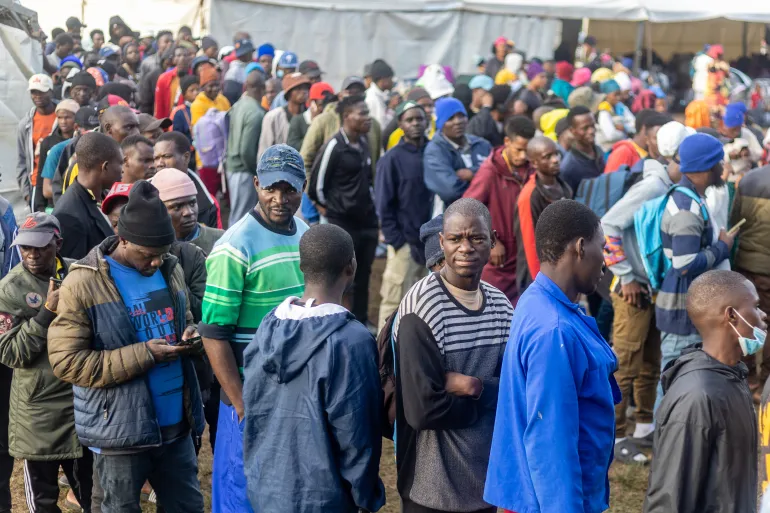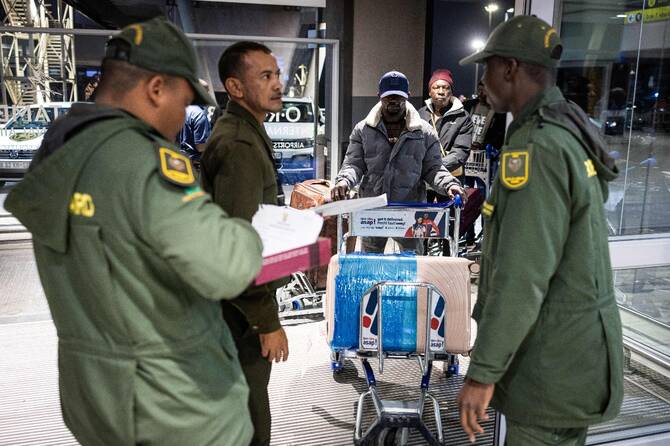
The first group of Nigerians repatriated from South Africa due to escalating anti-immigrant attacks was scheduled to arrive in Lagos on Thursday, officials confirmed. A flight chartered by Abuja was expected to land around 11:00 am (1200 GMT), bringing back citizens amidst the ongoing situation. This repatriation effort shows the severe impact of recent xenophobic violence on foreign nationals residing in South Africa. The Nigerian government's decision to charter a flight notes the urgency of the situation and its commitment to ensuring the safety of its citizens abroad.
Escalating Violence and Fear
Anti-foreigner violence has convulsed South Africa for weeks, leading to widespread fear among immigrant communities. Gangs armed with sticks, whips, and shields have marched through parts of the country, demanding that individuals without residency papers vacate by June 30. This series of incidents has intensified concerns for foreign nationals residing in South Africa. Foreign nationals have reported intimidation and physical assaults by these mobs, who have gone door-to-door in some areas. These reports describe a harrowing reality for many, as individuals and families face direct threats and harassment. Families have also been forcibly displaced from their homes as a result of these actions, contributing to the escalating humanitarian situation and the subsequent repatriation efforts. The systematic nature of these attacks, targeting homes and businesses, has created an atmosphere of terror among non-South African residents.
Context of Repatriation Efforts
A flight chartered by Abuja was scheduled to return 262 passengers to Nigeria on Thursday. These individuals are part of an estimated 1,000 Nigerians who have expressed a desire to leave South Africa amidst the ongoing xenophobic attacks. The decision by these individuals to seek repatriation reflects the profound impact of the violence on their sense of security and livelihood in South Africa. Other African nations have also undertaken similar repatriation efforts in recent weeks. Ghana, Mozambique, and Malawi have already repatriated hundreds of their citizens from South Africa, responding to the escalating violence and the resulting displacement and fear among foreign nationals. The organized returns highlight a broader trend of African governments assisting their citizens in departing South Africa, indicating a regional concern over the sustained anti-immigrant sentiment. These coordinated efforts by various African governments signify the widespread recognition of the severity of the crisis.
Underlying Socioeconomic Factors
South Africa hosts over three million foreigners, who constitute just over five percent of its total population. The presence of this significant foreign population coincides with a challenging domestic economic climate. Unemployment in South Africa currently exceeds 30 percent. This high rate of joblessness is a persistent issue that affects a large portion of the South African workforce. These demographic and economic figures are often cited as underlying factors contributing to tensions and grievances within the country. The competition for scarce resources and job opportunities is frequently exploited by those inciting xenophobic sentiment, leading to the scapegoating of foreign nationals for domestic economic woes. The economic struggles faced by many South Africans create a fertile ground for resentment towards immigrants, who are sometimes perceived as competitors for jobs and social services.
Historical Precedents and Politics
South Africa has experienced recurring waves of xenophobic violence since 2008, when incidents led to the deaths of dozens of migrants and the displacement of thousands. The country's history of unrest against foreign nationals has created a complex social and political environment. The most recent spike in violence occurs as political parties prepare for local government elections scheduled for November. This timing introduces a political dimension to the ongoing anti-immigrant sentiment. Political rhetoric often intensifies around election periods, and issues related to immigration and economic hardship can become central to campaigns. These upcoming elections often intensify public discourse surrounding issues such as unemployment and resource allocation, which have historically been linked to xenophobic outbreaks. The current wave of violence, therefore, is not an isolated event but rather part of a troubling pattern exacerbated by political opportunism and deep-seated socioeconomic challenges.