The Presidency has cautioned against the spread of false information targeting South Africa amidst ongoing anti-immigration protests within the country. Presidency spokesperson Vincent Magwenya stated there is a sustained campaign aimed at isolating South Africa from the broader African continent. This caution comes as the government seeks to manage both domestic tensions and international perceptions regarding its immigration policies and stance on regional relations. The Presidency has specifically noted concerns that false information is being deliberately used against South Africa during these anti-immigration protests.
Magwenya asserted that South Africa is not isolated, despite these efforts. He noted, "Recent evidence shows that this false campaign, concerning as it, is faltering." Magwenya further emphasized South Africa's engagement with its neighbours, remarking, "South Africa is not isolated. This is a South Africa that is engaged with the African continent and that can never be isolated." He reiterated that South Africa remains actively engaged with African countries and the rest of the world, showing the government's commitment to strong diplomatic ties.
Countering Isolation Campaigns
The March and March movement announced its intention to continue protests against individuals benefiting from illegal migration and crime. Presidency spokesperson Vincent Magwenya indicated that recent evidence suggests the false campaign to isolate South Africa is faltering. Magwenya noted that ordinary diplomatic exchanges have been misrepresented in an attempt to create an impression of the nation's isolation. He stressed that any campaign seeking to misrepresent South Africa would be firmly rejected by the government. This rejection extends to narratives designed to portray the nation as disengaged from its neighbours or the international community.
President Cyril Ramaphosa's recent visit to France last week shows ongoing international engagement. The Presidency noted that such interactions demonstrate South Africa's continued role on the global stage, despite efforts to portray it as isolated. This visit is presented as a clear indicator of the country's active participation in international affairs. Magwenya's remarks emphasize the government's stance that regular diplomatic activities are sometimes distorted to serve a narrative of disengagement. The administration maintains that these campaigns are ultimately unsuccessful in diminishing South Africa's international standing and relationships with other nations, particularly within the African continent. The government firmly believes that its consistent diplomatic efforts and engagement with various global partners serve as a strong counter-narrative to any attempts at isolation.
Protest Movement's Stance
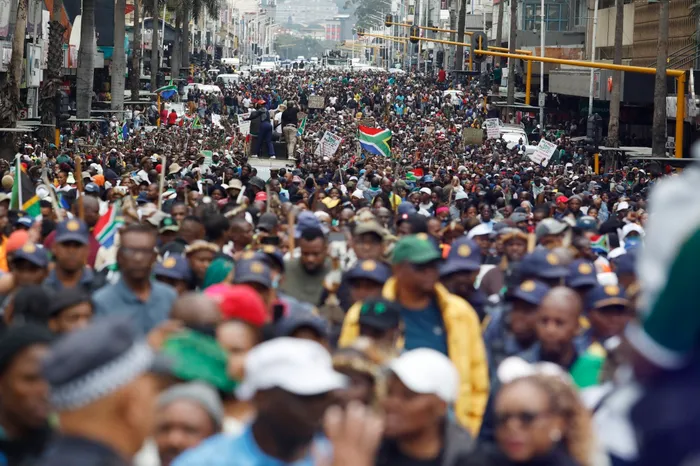
The government maintains its condemnation of vigilantism targeting foreign nationals, while simultaneously affirming its commitment to enforcing immigration laws. This dual approach seeks to uphold the rule of law while addressing public concerns. Meanwhile, members of the March & March movement in KwaZulu-Natal (KZN) gathered on Wednesday as part of ongoing anti-immigration protests. The movement has clearly stated its intention to continue these protests against what it describes as the beneficiaries of illegal migration and crime.
Sandile Dube, a leader within the movement, addressed the group, stating, "We are fully aware of the relentless and concerted efforts by some political parties and role players, in and outside government, who have used every trick in the book to try and destabilise the movement." Dube emphasized the group's determination, asserting, "The beneficiaries of irregular migration and crime will not rest, until we defeat them." This statement reflects the strong resolve of the March & March movement to pursue its objectives despite perceived opposition.
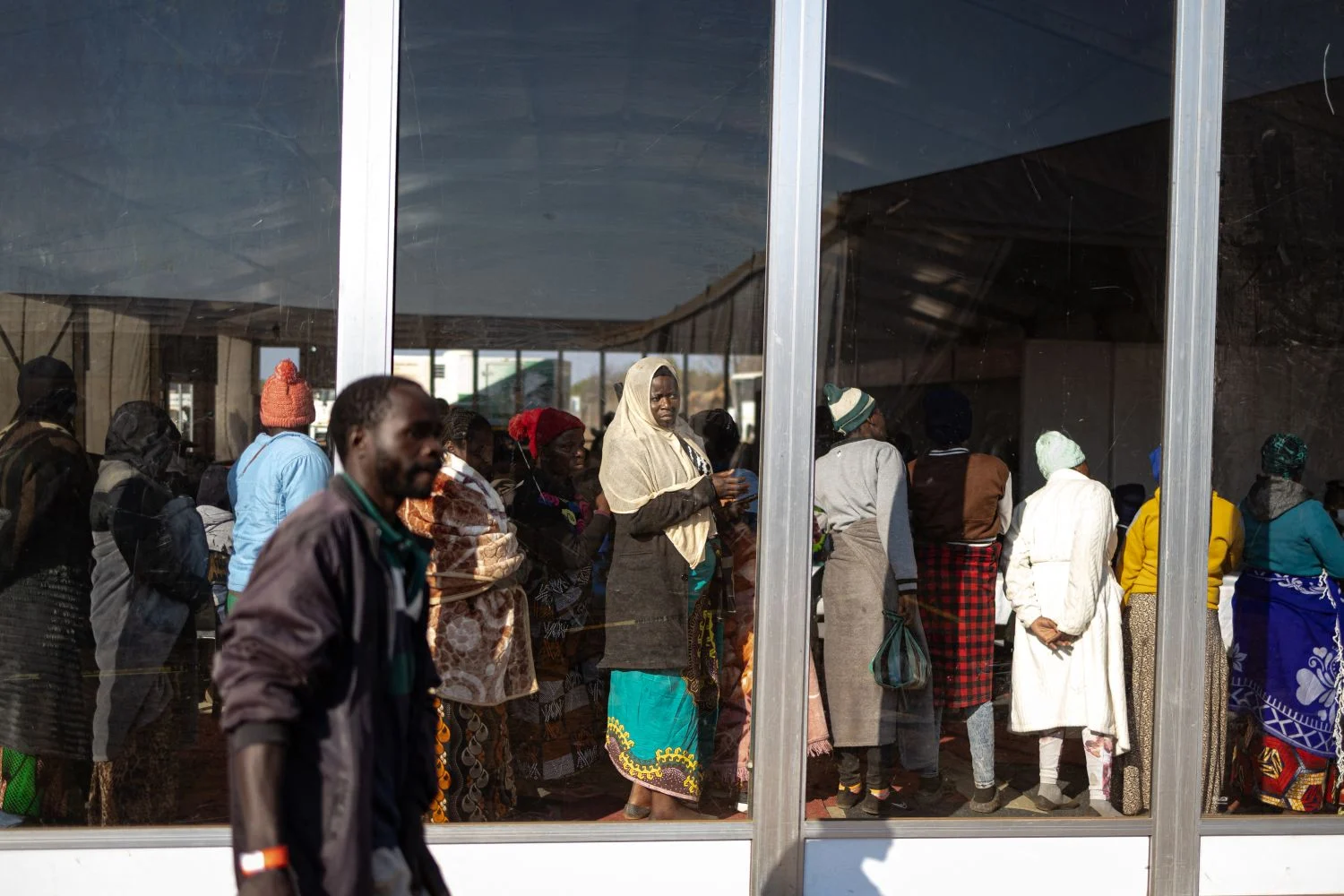
The March & March movement's activities coincide with continuing efforts by authorities to manage immigration. For example, women awaiting repatriation were observed queuing to register inside a repatriation centre in Musina near the Beitbridge border crossing with Zimbabwe on 9 July 2026. This process is part of broader state efforts to address undocumented individuals. These operations highlight the government's commitment to enforcing immigration laws and managing its borders effectively, even as it navigates the complexities of public sentiment and protest movements. The ongoing registration and repatriation efforts demonstrate a practical application of the state's immigration policies.
Government's Dual Approach
Presidency spokesperson Vincent Magwenya stated that any campaign attempting to misrepresent South Africa would be rejected. Magwenya reiterated the government's stance against narratives designed to isolate the nation. He emphasized that South Africa remains actively engaged with African countries and the global community, a point he has consistently stressed in his communications.
Magwenya expressed concern regarding false information being disseminated by a diplomatic representative. He did not name the individual or the country represented, but indicated that the proliferation of such misinformation was a matter of official concern. This concern notes the government's vigilance against external attempts to influence public opinion or diplomatic relations through inaccurate reporting. The spokesperson’s remarks showed the government's commitment to countering what it perceives as deliberate attempts to undermine its international standing and relationships. The Presidency views such actions as serious, given their potential to damage South Africa's reputation and its ties with other nations.
The Presidency maintains that South Africa continues to engage robustly with other African nations and the international community. This ongoing engagement is presented as evidence against claims of isolation, despite domestic challenges and external attempts to portray the country otherwise. The government's messaging aims to reassure both its citizens and international partners of its commitment to diplomatic relations and regional stability. This proactive communication strategy is central to the government's efforts to control the narrative surrounding its international standing and domestic policies.