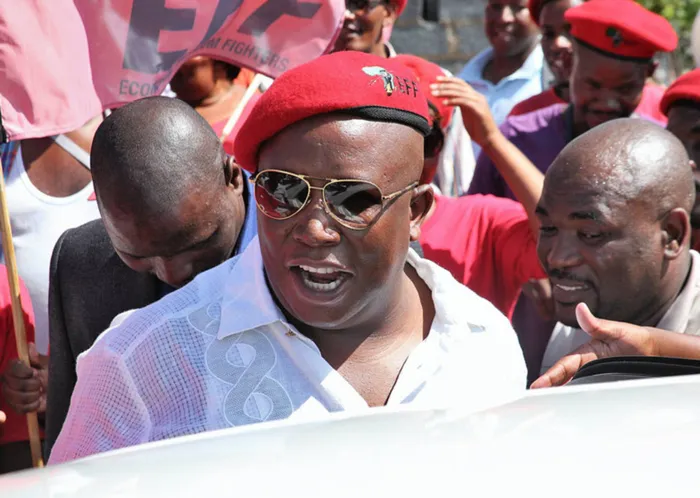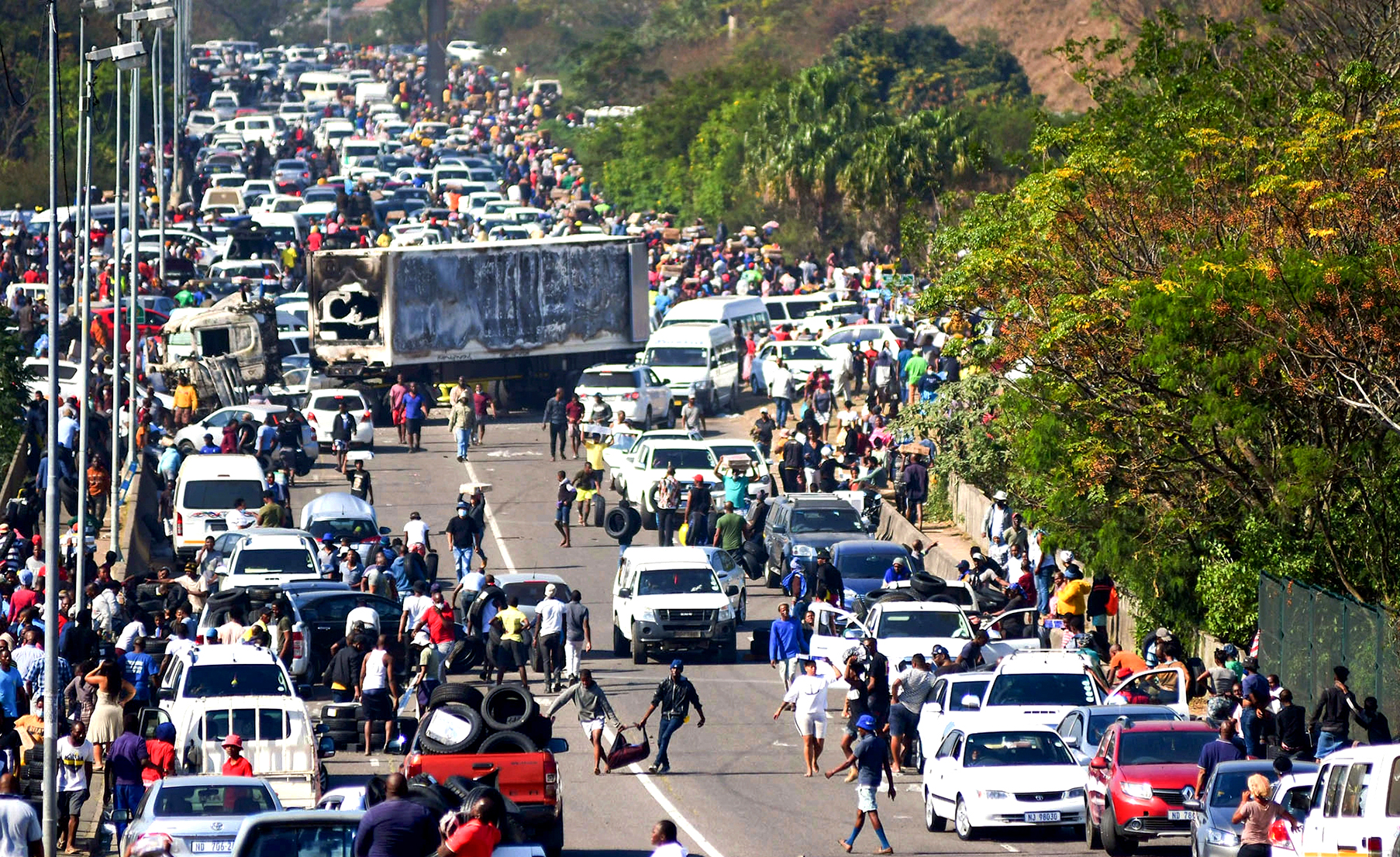
South Africa is reportedly experiencing a build-up similar to the July 2021 pro-Jacob Zuma riots, raising concerns about potential widespread violence. The article warns that South Africa is indeed back in a build-up similar to the July 2021 pro-Jacob Zuma riots, signalling a perilous return to conditions that previously erupted into widespread unrest. President Cyril Ramaphosa previously described the July 2021 events as an attempted insurrection, a stark characterization that shows the severity of the earlier crisis. The current situation, marked by escalating tensions and divisive rhetoric, suggests a return to conditions that preceded that period of profound national unrest, prompting alarm among observers.
Echoes of 2021 Unrest
The July 2021 unrest in South Africa was precipitated by the impending jailing of former president Jacob Zuma, who faced contempt charges from the Constitutional Court. In 2021, the primary grievance that ignited the widespread protests and looting was the imminent jailing of former president Jacob Zuma for contempt of the Constitutional Court. This specific trigger point galvanized a segment of the population, leading to an outbreak of violence and destruction. At the time, the country was also experiencing a significant economic downturn exacerbated by the Covid-19 pandemic, a period during which South Africa was in the grip of a Covid-19-induced economic squeeze. This economic vulnerability amplified existing frustrations and contributed to the volatile environment. An inquiry led by Sandy Africa later issued a critical assessment of the government's readiness and reaction to the outbreak of violence in July 2021, noting significant shortcomings in preparedness and response mechanisms.
Current Drivers of Tension
The factors contributing to current societal tensions in South Africa differ from those in 2021, though the involved actors, tactics, and mobilization methods bear similarities. While the underlying issues are distinct, the actors, tactics, and mobilising tools employed bear striking resemblances to those observed during the 2021 unrest. This continuity in operational methods, despite varied grievances, suggests a persistent vulnerability to organized mobilization. A significant element in these tensions involves the presence of foreign nationals, which has become a focal point for public discontent and political discourse. South Africa is home to approximately 3.5 million foreign nationals, encompassing both legal residents and undocumented individuals. Despite official figures from government bodies and international organizations, some public discourse frequently cites numbers for foreign nationals as high as 30 million, contributing to a perception of an overwhelming foreign presence and fueling anti-immigrant sentiment. This discrepancy between official statistics and widely circulated figures exacerbates anxieties and contributes to a climate of mistrust.
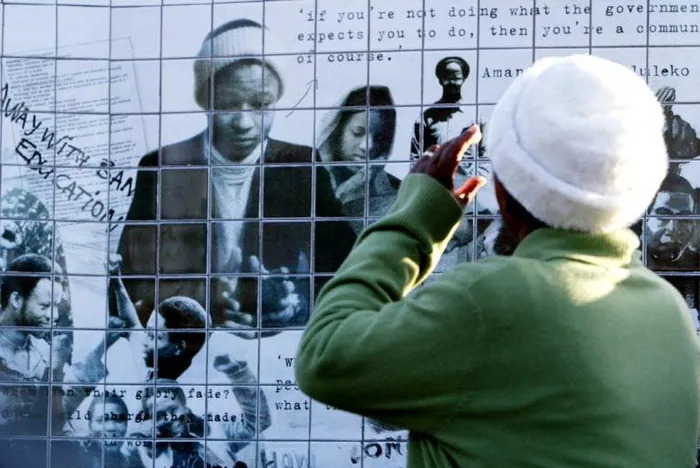
These contemporary challenges emerge against a historical backdrop of diverse founding ideologies. The nation's foundational principles included the African National Congress's (ANC) commitment to non-racialism, a vision for a society free from racial discrimination and division. Alongside this, the Pan Africanist Congress's (PAC) emphasis on Pan-Africanism championed the unity and solidarity of African peoples. These ideologies were further complemented by the broader philosophy of black consciousness, which sought to empower and uplift Black South Africans. These historical tenets, rooted in principles of inclusivity and African solidarity, now stand in stark contrast with the current nationalistic sentiments fueling discussions around foreign populations, creating a complex ideological tension within the nation.
Government Response and Failures
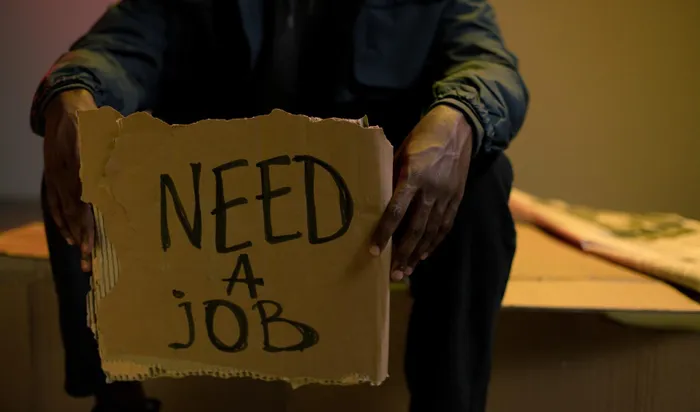
Governance failures are said to have contributed to a regression in South Africa, leading to blame for societal suffering being attributed to foreign nationals rather than to those in positions of power. This perceived regression, stemming from governance failures, has created a fertile ground for scapegoating, deflecting responsibility from systemic issues and placing it instead on vulnerable foreign communities. Amidst these concerns, the government has adopted several measures in an attempt to address the complex issues surrounding immigration and national security. These include strengthening the systems within the Department of Home Affairs, aimed at improving administrative efficiency and oversight. Authorities have been conducting raids on businesses found to be employing undocumented individuals, a measure intended to enforce labor laws and immigration regulations. The government is also preparing for expedited deportations of individuals found to be in the country illegally, streamlining the process to remove undocumented foreign nationals. Additionally, the authorities are introducing biometric enhancements designed to improve the detection of individuals overstaying their visas or permits within the country, utilizing advanced technology to monitor and control immigration flows more effectively.
Broader Implications and Warnings
The grievance surrounding immigration in South Africa reportedly possesses a broader reach compared to grievances associated with former President Jacob Zuma. Unlike the more localized and politically specific anger that coalesced around the former president, the anti-immigrant sentiment appears to resonate across wider segments of the population and geographical areas. Organizations such as Operation Dudula and March and March are said to have contributed to the evolution of an ideology of hate, actively promoting narratives that demonize foreign nationals and incite hostility. These groups have played a significant role in shaping public discourse, moving it towards a more exclusionary and xenophobic stance. This widespread and deeply entrenched grievance poses a significant challenge to social cohesion and stability, potentially leading to more widespread and destructive forms of unrest than those witnessed in 2021. The current trajectory suggests a deepening crisis that demands urgent and full attention to prevent further escalation of violence and societal fragmentation.