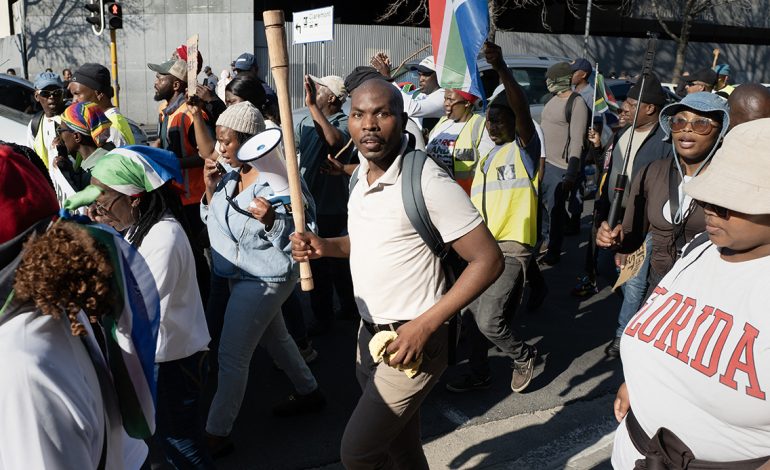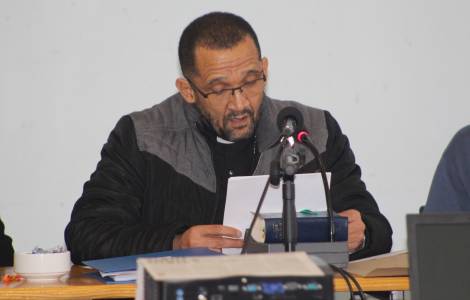
Archbishop Sithembele Anton Sipuka of Cape Town, president of the South African Council of Churches (SACC), called for dialogue to address xenophobia targeting foreign communities in South Africa on Tuesday, 23 June 2026. Archbishop Sipuka urged various stakeholders to engage in open discussions to resolve tensions. "Let our churches at all levels host and support honest dialogue that brings together local residents, foreign nationals and their organized formations, businesspeople and their organized formations, and the authorities," he stated. The SACC president emphasized the importance of these conversations for reconciliation and understanding within affected communities.
Xenophobia Against Foreign Communities
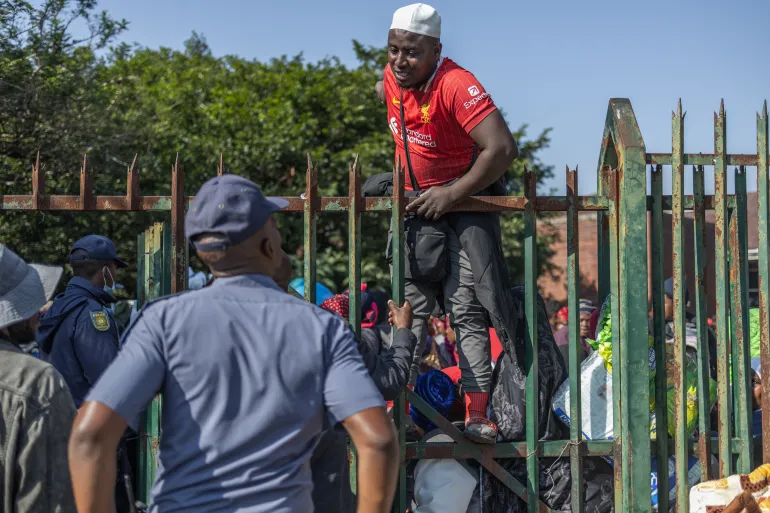
Cases reported within South Africa include instances of verbal abuse, intimidating graffiti on church walls, and threats of physical violence targeting foreigners who are members of church communities receiving foreign donations. The South African Council of Churches (SACC) stated that this behavior mirrors past reactions observed against non-governmental organizations affiliated with foreign countries. Archbishop Sipuka emphasized the church's stance, stating, "The church believes that real grievances deserve to be heard, but that no grievance can justify violence, intimidation, vigilantism or the targeting of innocent people on the basis of their nationality." He also encouraged sister councils of churches throughout the Southern African Development Community (SADC) region to engage in dialogue, acknowledging migration as a regional challenge. This information was reported by Fides News Agency.
Religious Freedom and Protection
Foreign-led churches operating in South Africa are also facing violence and intimidation, a situation that the South African Council of Churches (SACC) has denounced. The SACC noted these concerns as part of broader issues affecting foreign communities within the country. The organization stated that such actions undermine the principles of religious freedom and safety for all. The SACC further reaffirmed that all religious groups, irrespective of their funding sources or origins, are entitled to the same legal protections under South African law. This stance shows the council's commitment to ensuring equitable treatment and security for diverse faith communities, emphasizing that no group should be targeted based on its composition or financial backing.
Acknowledging Public Concerns
Bongani Mkwananzi, a representative of the South African Council of Churches (SACC), acknowledged public concern over the increasing number of prophets, clandestine churches, and religious organizations. Mkwananzi stated that these entities are often perceived as exploiting vulnerable individuals within communities. The SACC's recognition of these concerns comes amidst broader discussions on religious freedom and the protection of foreign-led churches in South Africa. This acknowledgement indicates the council's awareness of public sentiment regarding the activities of some religious groups operating across the country. The SACC continues to advocate for dialogue and protection for all religious communities while addressing issues of potential exploitation.
Call for Accountability
African Diaspora Forum (ADF) spokesperson Bongani Mkwananzi stated that the organization rejects xenophobic ultimatums and attempts to target individuals based on their nationality. Mkwananzi clarified the ADF's position, saying, "the ADF rejects xenophobic ultimatums and any attempt to target people simply because they are foreign nationals." He further emphasized accountability for exploitative practices, regardless of national origin. Mkwananzi asserted, "Anyone, regardless of nationality, who exploits and deceives innocent people will be held accountable before the law." This statement shows the ADF's commitment to legal recourse against exploitation while opposing xenophobic targeting.