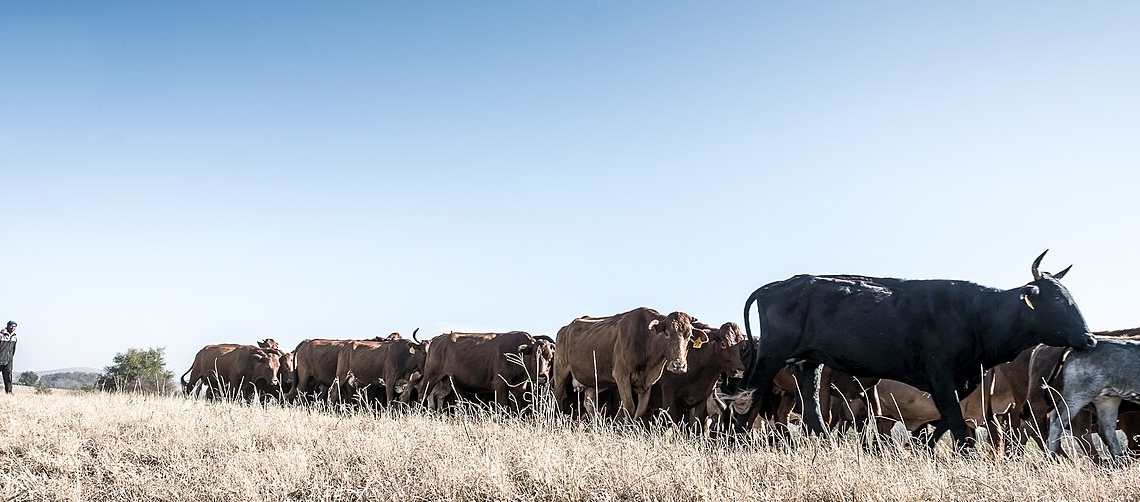
South Africa’s R80 billion (US$5 billion) beef industry experienced a significant crisis in 2026 as unchecked Foot-and-Mouth Disease (FMD) outbreaks spread across all provinces. The widespread FMD incidents led to a 26% drop in beef exports during 2025, noting the severe vulnerabilities within the sector. The absence of a mandatory, nationwide system for tracing diseases such as Foot-and-Mouth Disease means these outbreaks cannot be effectively managed, contributing significantly to the ongoing crisis. This critical deficiency has allowed the disease to propagate largely unchecked, exacerbating its impact on the nation's vital agricultural sector.
FMD Outbreaks Spread Widely
Foot and mouth disease has spread to all provinces in South Africa, with confirmed outbreaks appearing in various regional clusters. The highly contagious nature of FMD, which primarily affects cloven-hoofed animals, has facilitated its rapid dissemination across the country. Since January 2025, key export markets have remained closed to South African beef products, including China, Mozambique, Zimbabwe, Namibia, and the United Kingdom, severely impacting the industry's economic viability. The most recent outbreak of the SAT2 strain of the disease originated in May 2021 within the province of KwaZulu-Natal, marking a critical point in the ongoing struggle against FMD. This particular outbreak, characterized by the SAT2 strain, has proven especially challenging to contain, contributing to the broader national crisis. The disease is frequently transmitted from wildlife populations to domestic animals such as sheep, pigs, and cattle, posing a continuous challenge for containment efforts. While highly contagious among animals, Foot-and-mouth disease poses little risk to human health, but its economic impact on livestock sectors is devastating.
The cumulative financial impact on the beef industry due to export bans and disease management was projected to reach R2.6 billion by the end of 2026. This figure represents the ongoing economic consequences of widespread FMD incidents, adding to the substantial losses already incurred. To combat the disease, vaccines are available and have been continuously imported, with massive campaign drives initiated from the start of 2026 to vaccinate affected and at-risk animal populations. These vaccination efforts are key in mitigating further spread and reducing the severity of outbreaks, but their effectiveness is hampered without a strong monitoring system. The continuous importation of vaccines shows the persistent and extensive nature of the FMD challenge facing South Africa’s livestock sector, requiring significant resources to manage.
Traceability System Deficiencies
The absence of a mandatory, nationwide system for tracing diseases such as Foot-and-Mouth Disease (FMD) means these outbreaks cannot be effectively managed. South Africa currently lacks a country-wide traceability system to monitor animal movements and disease spread, a critical deficiency in containing highly contagious diseases. This lack of a full system allows for the unchecked movement of potentially infected animals, exacerbating the spread of FMD across provinces. Without such a system, authorities struggle to identify the source of outbreaks, track the movement of infected livestock, and implement targeted containment measures, leading to broader and more prolonged crises.
The Red Meat Industry Services has developed a traceability system that is seeing increased adoption, but participation in this system remains voluntary. While a positive step, the voluntary nature of participation limits its effectiveness in providing a complete and reliable overview of animal health and movement across the nation. This voluntary approach means that a significant portion of the livestock population may not be covered, creating blind spots that allow the disease to circulate undetected. Several challenges impede the implementation of a mandatory country-wide traceability system. These include budget constraints, staff shortages, difficulties in coordinating across provincial governments, differences between various farmer types, and the high costs associated with integrating existing systems. These systemic hurdles make it difficult to establish a unified and enforceable framework for animal tracking. The lack of a centralized, mandatory system stands in stark contrast to the urgent need for effective disease control mechanisms.
South Africa has set a target to implement a nationwide traceability system by 2030, acknowledging the urgent need for such infrastructure. In contrast, neighbouring Eswatini implemented its own traceability system in 2012 and made it mandatory for livestock in 2013, demonstrating that such systems are achievable within the region. The large number of small-scale farmers in South Africa, estimated at roughly 2.4 million, further complicates efforts to establish a universal system. Their varied practices and resources present unique challenges for consistent data collection and integration into a national framework, requiring tailored approaches and significant support to ensure compliance and effectiveness. Integrating these numerous small-scale operations into a standardized system demands substantial investment in infrastructure, training, and ongoing support to overcome potential barriers to adoption and ensure full coverage.
Economic Impact and Future Outlook
A January 2026 study conducted by the Bureau for Food and Agricultural Policy estimated that South Africa’s ongoing Foot-and-Mouth Disease (FMD) outbreak could incur costs of R13.1 billion for the livestock sector over the next five years. This projection includes R11.3 billion attributed to lost production value, reflecting the direct impact on livestock farming, and an additional R1.8 billion in lost export revenue, showing the severe blow to the country's international trade. The Bureau for Food and Agricultural Policy noted that a nationwide mandatory traceability system is vital for South Africa’s economic and agricultural future, emphasizing its role in preventing future crises and ensuring market access. Between 2019 and 2025, three separate FMD outbreaks resulted in a total of R821 million in export losses for the country, illustrating a recurring pattern of economic damage due to disease. This figure was projected to rise significantly to R2.6 billion by the end of 2026, indicating an accelerating trend of financial detriment. The cumulative economic toll notes the urgent need for structural reforms to protect the industry.
The long-term implications of these outbreaks extend beyond immediate financial losses, threatening the sustainability and reputation of South Africa's beef industry on a global scale. The persistent closure of key export markets not only impacts current revenue but also jeopardizes future trade relationships and market trust. The continuous importation of vaccines and the initiation of massive campaign drives from the start of 2026 represent significant investments aimed at controlling the disease. However, without a strong and mandatory traceability system, these efforts may only provide temporary relief, rather than a permanent solution. The integration of all stakeholders, from large commercial farms to the numerous small-scale farmers, into a unified system is critical for effective disease management and the restoration of confidence in South African beef products. The target of implementing a nationwide traceability system by 2030 offers a glimmer of hope, but the urgency of the current crisis demands accelerated action and sustained commitment to overcome the formidable challenges of budget, staffing, and coordination. The future resilience of South Africa's R80 billion beef industry hinges on its ability to implement full disease control measures, underpinned by an effective and mandatory traceability system.