Small groups of individuals have crossed the Limpopo River into South Africa using weathered wooden rafts and ropes, bypassing the official Beitbridge border post. This method of entry comes amidst ongoing tensions, with police reporting that at least four foreign nationals have been killed in attacks linked to recent protests. The incidents highlight the challenges faced at the border between Zimbabwe and South Africa, as people seek alternative routes to enter the country. The reliance on makeshift crossings shows the desperation of individuals attempting to reach South African territory.
The Porous Border Reality
Munyai Tungamirai and Patricia Nhamo paid smugglers $20 in 2024 to be ferried across the Limpopo River, bypassing official entry points. Their journey illustrates a common tactic employed by those seeking to circumvent formal immigration procedures. Tungamirai acknowledged the inherent dangers of this illicit passage, stating, "It is risky, but I had to do it to feed my family. During winter, there is not much water, so it's easy to cross." This statement encapsulates the profound economic pressures that compel individuals to undertake such perilous journeys. After the crossing, Munyai Tungamirai secured employment on an orange farm located in Tzaneen, approximately 200 kilometres south of the border, demonstrating the immediate economic incentive driving these migrations.
The use of unofficial routes is a common practice among migrants seeking entry into South Africa, often facilitated by smugglers who exploit the porous nature of the border. A 26-year-old Malawian man, identified only as Julius, confirmed that his recent crossing of the Limpopo River marked his first attempt to enter the country this way. His experience adds to the growing anecdotal evidence of individuals resorting to informal means to cross the border. These instances highlight the persistent challenges in controlling border movements, as individuals continue to seek alternative methods to bypass formal immigration procedures and reach South African territory. The economic motivations, as articulated by individuals like Munyai Tungamirai, show the pressures driving these risky journeys across the porous border, which often involve navigating natural obstacles like the Limpopo River. The reliance on informal crossings, such as those involving rudimentary rafts and ropes, points to the significant gaps in border security that migrants are able to exploit.
Scale of Repatriation Efforts
South African authorities have intensified their efforts to manage undocumented migration. Since June 7, more than 46,000 migrants have been repatriated and deported through the Beitbridge border post, a primary gateway between South Africa and Zimbabwe. This significant figure reflects the ongoing challenges faced by border management agencies. Nationally, the overall number of individuals who have departed the country surpasses 60,000, encompassing both voluntary returns and forced deportations across various entry points. Many of these foreign nationals were processed at a dedicated repatriation centre situated 20 kilometres from Beitbridge. This facility plays a key role in managing the large number of individuals being returned to their home countries. Over 21,000 people have been housed and processed at this centre, indicating the substantial operational capacity required for such large-scale repatriation efforts. The scale of these operations occurs across a full network of entry points, showing the vastness of South Africa's border management responsibilities. South Africa maintains 71 ports of entry, which include 52 land crossings, 10 international airports, and nine seaports. This extensive network of entry points, while essential for legitimate trade and travel, also presents considerable challenges for effective border control and monitoring. The sheer number of potential crossing points, particularly along land borders, complicates efforts to prevent irregular migration.
Context and Future Outlook
South Africa has experienced protests and violence targeting foreign nationals in recent weeks, adding a layer of social complexity to the migration issue. These incidents show the broader challenges in managing migration flows and border security, often fueled by socio-economic tensions and perceptions surrounding resource allocation. The unrest notes the need for full strategies that address both border enforcement and community integration.
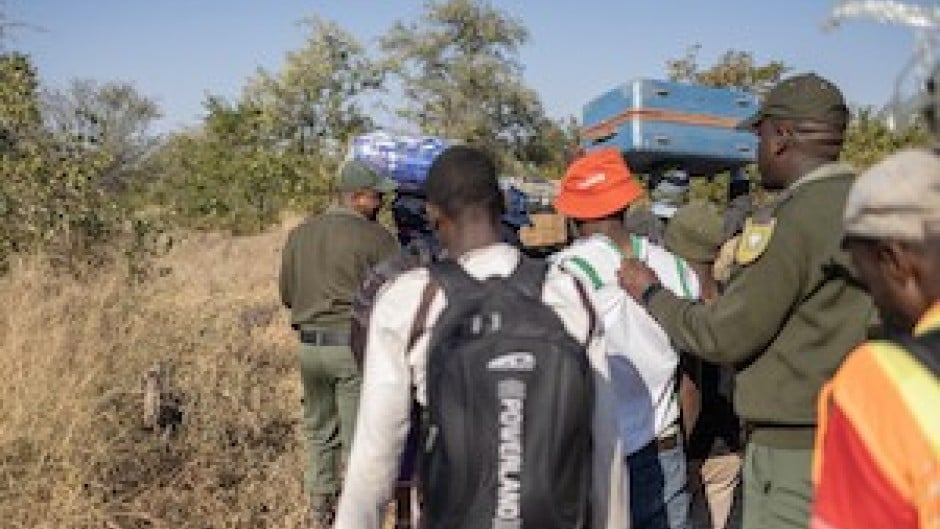
The operational complexities of border control were recently observed when officers pursued and apprehended approximately a dozen migrants. These individuals had been concealing themselves in dense scrubland merely metres from a military checkpoint, noting the persistent cat-and-mouse dynamic between authorities and those attempting to enter the country unofficially. Such incidents illustrate the ongoing efforts by security forces to manage undocumented migration, even as individuals continue to seek clandestine entry routes. The vigilance of security forces is constantly tested by the determined efforts of migrants to evade detection. The situation points to a continuing cycle of attempted crossings and enforcement responses along the nation's extensive borders, demanding sustained resources and adaptive strategies from South African authorities. The challenges at the Limpopo River, and across the broader network of entry points, remain a critical focus for national security and humanitarian concerns alike. The ongoing influx of individuals, coupled with the socio-economic factors driving both migration and local unrest, suggests that the "endless border battle" will continue to be a defining feature of South Africa's national agenda for the foreseeable future.