South Africa's winter months offer travelers two distinct options: seeking warmer climates or engaging with the unique seasonal charm of the region. Winter in South Africa presents two distinct travel paths: escaping to sunshine or embracing seasonal magic. This period is characterized by a particular allure and generally fewer tourists. Indeed, the winter months in South Africa bring a distinct charm and fewer crowds, offering a more intimate and serene travel experience. The article outlines six specific bucket-list winter experiences available across South Africa, designed to highlight diverse activities during this time. The article lists 6 bucket-list winter experiences in South Africa, providing a full guide for those looking to explore the country during its cooler months.
Wildlife Spectacles in Kruger
During the dry winter months in Kruger National Park, the bushveld thins out, which enhances visibility for wildlife viewing. The reduced vegetation allows for clearer sightlines, aiding in the observation of animals that might otherwise be concealed by dense foliage in other seasons. This natural thinning of the landscape significantly improves the chances of spotting elusive species. Animals within Kruger National Park tend to congregate around the remaining waterholes and rivers during this period, simplifying their detection for visitors. This behavior is a direct response to the scarcity of water sources across the landscape, concentrating wildlife in more predictable locations. Animals in Kruger National Park congregate around remaining waterholes and rivers during winter, making them easier to spot. This natural gathering at vital water points creates exceptional photographic opportunities and allows for prolonged observation of various species interacting within their environment.
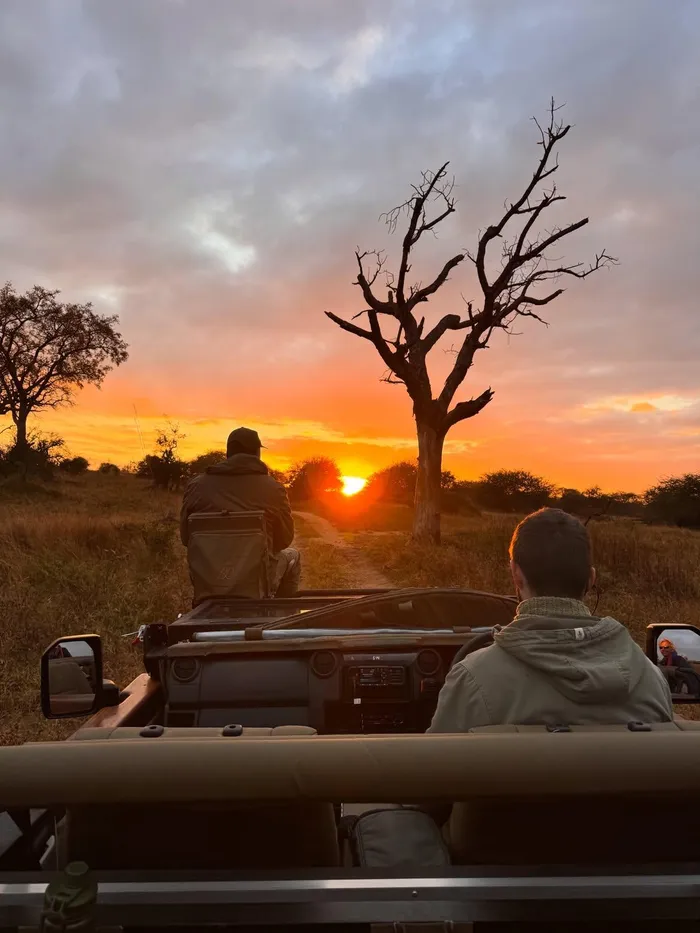
The winter season in Kruger National Park also brings pleasant daytime temperatures, which contributes to sustained animal activity throughout the day. Unlike the hotter summer months when some animals seek shade and become less active during peak heat, the cooler winter climate permits continuous movement and foraging. This consistent activity improves opportunities for observing a wider range of species in various natural behaviors during daylight hours. Pleasant daytime temperatures in Kruger National Park during winter mean animals remain active throughout the day, providing continuous viewing pleasure for safari-goers. The absence of oppressive heat makes game drives more comfortable and allows visitors to spend extended periods in the bush without discomfort. The cooler mornings and evenings often feature spectacular sunrises and sunsets, adding another layer of beauty to the safari experience. The combination of thinned bushveld, concentrated water sources, and favorable temperatures establishes winter as a prime time for safaris in the park, promising an unforgettable encounter with Africa's iconic wildlife.
Whale Watching in Hermanus
Southern Right whales journey annually to Walker Bay in Hermanus for their mating and calving season. This remarkable migration is a highlight of the South African winter, drawing visitors from around the globe. The town of Hermanus has achieved global recognition as a leading land-based whale-watching destination, attracting international visitors to its shores. Its unique geographical position allows for unparalleled viewing opportunities directly from the coastline. Hermanus is recognised globally as one of the world's premier land-based whale-watching destinations, a testament to the abundance and proximity of these magnificent marine mammals. The peak period for whale observation in Hermanus extends from July through September, offering optimal opportunities to witness these marine mammals. During these months, the bay becomes a critical habitat for the whales, which travel from colder Antarctic waters to the warmer South African coast. This seasonal migration provides a consistent spectacle for observers positioned along the coastline, drawing significant tourism to the region. July through September marks the peak of the whale season in Hermanus, ensuring a high probability of sightings for those who visit during this window. The presence of the Southern Right whales during this winter period underpins Hermanus's reputation as a prime location for viewing these creatures from land, making it an essential stop for nature enthusiasts.
Snowfall and Stargazing Peaks
High-altitude passes within the Drakensberg range frequently experience snowfall during the winter months. This transforms the rugged mountain landscape into a picturesque, snow-capped wonderland, offering a stark contrast to the country's warmer coastal areas. High-altitude passes in the Drakensberg range regularly get snow in winter, creating stunning vistas and unique opportunities for winter sports and photography. The weather conditions above the Drakensberg are characterized by crisp, clear skies in winter, which facilitates both hiking and photography. These clear conditions, coupled with the fresh mountain air, make for invigorating outdoor experiences. The sky above the Drakensberg is crisp and clear in winter, making it good for hikes and photography, allowing visitors to capture the dramatic beauty of the snow-dusted peaks.
Sutherland is widely recognized as the coldest location in South Africa. Its arid, elevated environment contributes to its extreme temperatures, particularly during winter nights. It is also considered one of the premier global sites for observing the night sky, primarily due to minimal light pollution and reduced cloud cover. Sutherland is famed as the coldest place in South Africa, a fact that contributes to its exceptional stargazing conditions. This combination of cold, clear air and remote location makes it an astronomer's paradise. Sutherland is one of the best places on Earth to look at the night sky due to free light pollution and cloud cover, providing an unobstructed view of celestial wonders. The Southern African Large Telescope (SALT), located near Sutherland, operates as the largest optical telescope in the Southern Hemisphere. The Southern African Large Telescope (SALT) is the largest optical telescope in the Southern Hemisphere, drawing researchers and enthusiasts to this unique location for advanced astronomical observation. Its presence further solidifies Sutherland’s reputation as a world-class stargazing destination.
The Thrilling Sardine Run
The annual Sardine Run sees billions of small sardines migrate northwards along South Africa's Wild Coast and KwaZulu-Natal shoreline. This monumental natural event is one of the planet's most spectacular marine migrations. The annual Sardine Run involves billions of tiny sardines migrating north along the Wild Coast and KwaZulu-Natal shoreline, creating an ecological phenomenon of immense scale. This massive oceanic movement attracts large pods of dolphins, thousands of sharks, various whale species, and numerous seabirds. These predators converge to feed on the vast shoals of fish, creating a dynamic and often frenzied underwater spectacle. The Sardine Run draws massive pods of dolphins, thousands of sharks, whales, and seabirds, transforming the ocean into a vibrant hunting ground. The event is triggered by cold ocean currents that drift north during July. These specific oceanographic conditions are key for guiding the sardines on their journey. Cold ocean currents drifting north during July trigger the Sardine Run, making it a predictable, albeit wild, annual occurrence. The Sardine Run is a significant natural spectacle, drawing predators from across the marine ecosystem to feed on the migrating fish. This natural phenomenon creates a dynamic environment off the coast, observable from both land and sea. The convergence of marine life during this period transforms the coastal waters into a feeding frenzy, offering unparalleled opportunities for diving, snorkeling, and observing nature's raw power.
Cosy Cape Winelands Escapes
Winter in the Cape Winelands, encompassing Franschhoek, Stellenbosch, and Paarl, offers a distinct atmosphere for visitors. The region adopts a cosy and romantic feel during this period, characterized by opportunities for fireside wine tastings at various estates. This seasonal shift provides a different experience compared to the warmer months, emphasizing indoor activities and intimate settings. Winter in the Cape Winelands (Franschhoek, Stellenbosch, Paarl) offers a cosy, romantic feel with fireside wine tasting, inviting guests to savor the region's renowned wines in a warm and inviting ambiance. The cooler temperatures enhance the experience of tasting full-bodied reds and rich whites, often accompanied by gourmet meals. Additionally, wine farms throughout the Cape Winelands frequently introduce generous dining specials during winter. These promotions are designed to attract guests seeking culinary experiences in a more temperate environment, complementing the wine-tasting offerings. Wine farms in the Cape Winelands offer generous winter dining specials, making it an ideal time to indulge in exquisite food and wine pairings without the summer crowds. Many estates feature multi-course menus showcasing seasonal ingredients, often paired with their finest vintages. The combination of these factors contributes to the Winelands being a notable winter destination in South Africa, providing a luxurious and relaxing escape.