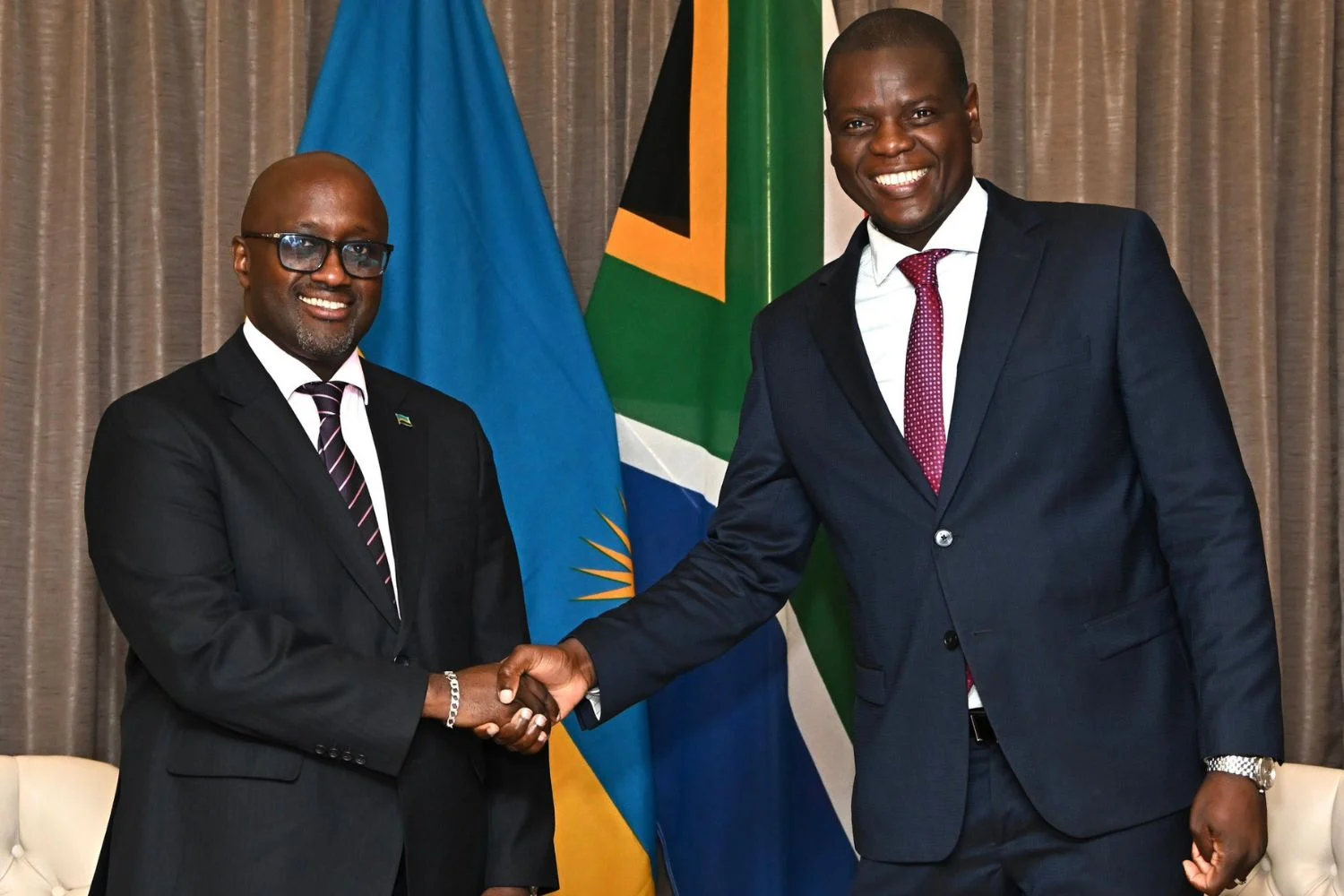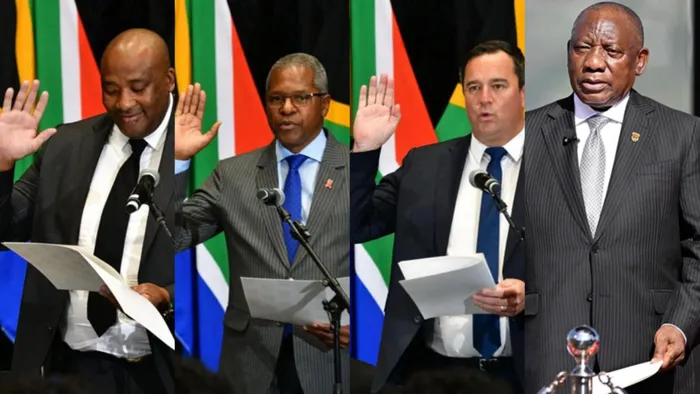
Recent reshuffle demands by the Democratic Alliance (DA) within South Africa's Government of National Unity (GNU) have exposed fundamental flaws of the coalition, according to observers. On June 17, 2026, DA leader Geordin Hill-Lewis requested President Cyril Ramaphosa to demote John Steenhuisen from Minister of Agriculture to Deputy Minister of Trade, Industry and Competition. This specific request noted a significant internal disagreement regarding portfolio allocation and the perceived performance of key ministers. Mr. Hill-Lewis proposed Willie Aucamp as Mr. Steenhuisen's replacement in the agriculture portfolio, signaling a desire for a change in direction within this critical sector.
Mr. Steenhuisen had previously resigned as DA leader, a move that analysts say showed instability within the GNU. This prior resignation, coupled with the current demands for his demotion, paints a picture of a coalition struggling with internal cohesion and leadership transitions. Critics claim the GNU has not succeeded in growing the economy, creating jobs, or advancing industrial capacity since its inception, further fueling concerns about its long-term viability and effectiveness. The coalition government is further described by these critics as unstable, incoherent, and anti-transformation, contributing to its perceived ineffectiveness in addressing South Africa's pressing socio-economic challenges.
GNU's Inherent Flaws and Incompetence
The Economic Freedom Fighters (EFF) contend that South Africa's Government of National Unity (GNU) has surrendered executive power to factional interests. This surrender, they argue, transforms the Cabinet into a battleground for careerism rather than prioritizing service delivery to the nation's citizens. The party questioned, "if coalition partners can dictate cabinet changes based on internal party dynamics, what remains of presidential authority or constitutional order?" This rhetorical question from the EFF shows their deep concern about the erosion of established governance principles under the current coalition arrangement.
John Steenhuisen's tenure as Minister of Agriculture is cited by critics as emblematic of GNU incompetence. His handling of the Foot-and-Mouth Disease (FMD) crisis, in particular, is described as catastrophic, leading to widespread disruption and economic hardship in the agricultural sector. During this period, small-scale farmers, subsistence producers in communal areas, and land reform beneficiaries reportedly lacked access to vaccines, essential extension services, or viable market access. This perceived failure in managing a critical agricultural crisis is frequently noted as a prime example of the GNU's inability to effectively govern and support vulnerable communities. The proposed appointment of Willie Aucamp to replace Mr. Steenhuisen is viewed by some as offering no solution, instead embodying the Democratic Alliance’s (DA) neoliberal ideology, which critics argue prioritizes market-driven solutions over direct state intervention and support for marginalized farmers.
The African National Congress (ANC), having lost its majority, is perceived as a pliable partner within a coalition that critics argue entrenches apartheid-era legacies. This perceived pliability means the ANC, once the dominant political force, is now seen as accommodating policies and personnel that do not fundamentally challenge historical inequalities. President Cyril Ramaphosa’s acquiescence to certain demands from coalition partners signals an erosion of sovereignty in decision-making, according to these critics, suggesting that the President's authority is being compromised by the need to maintain coalition unity. John Steenhuisen himself admitted that the GNU was specifically formed to prevent the Economic Freedom Fighters and the uMkhonto weSizwe Party (MK-Party) from influencing state power. This admission reveals a primary motivation behind the GNU's formation: to exclude specific political entities from governance. Helen Zille and Mr. Steenhuisen have both acknowledged that the main target of the GNU's formation was the EFF, further cementing the view that the coalition was an anti-EFF alliance rather than a broad-based unity government. The EFF described the GNU as "unstable, incoherent and anti-transformation," a characterization that aligns with their belief that the coalition is designed to maintain the status quo rather than enact meaningful change. The land question remains central to achieving true freedom in South Africa, a point noted by critics of the current government structure who argue that the GNU is failing to address this fundamental issue.
The EFF's Vision for Radical Economic Transformation
The Economic Freedom Fighters (EFF) have unequivocally rejected the Government of National Unity (GNU) arrangement. The party contends that the GNU is "unstable, incoherent and anti-transformation," a stance it has consistently articulated through various public statements and political engagements. This rejection stems from their fundamental belief that the GNU, by its very nature and composition, is incapable of delivering the profound societal changes South Africa requires. The EFF further questions the implications of the current coalition structure on governance, asking, "if coalition partners can dictate cabinet changes based on internal party dynamics, what remains of presidential authority or constitutional order?" This query notes the EFF's concern regarding the erosion of presidential power and constitutional order within the GNU framework, suggesting that the country's democratic institutions are being undermined.
The EFF advocates for the dissolution of the GNU, proposing instead a path towards radical economic transformation (RET). This vision includes specific policy proposals such as land expropriation without compensation, a measure aimed at addressing historical land inequities that persist decades after the end of apartheid. The party argues that this policy is key for redistributing wealth and empowering the historically dispossessed. Additionally, the party calls for the nationalisation of key economic sectors, including mines, banks, and other strategic industries, to bring them under state control. This nationalization agenda is intended to ensure that the country's vast natural resources and financial institutions serve the broader public interest rather than private profit. A central component of their economic strategy involves strong support for black farmers, intending to foster their growth and participation in the agricultural sector, thereby correcting historical imbalances in land ownership and economic opportunity.
The party consistently reaffirms its commitment to economic freedom and policies designed to prioritize the needs of the poor. This commitment underpins their broader agenda for radical economic transformation, which they argue is essential for achieving genuine societal change and addressing systemic inequalities in South Africa. The EFF's proposals stand in stark contrast to the current GNU's direction, emphasizing a fundamental shift in economic policy and ownership structures that they believe are necessary to truly liberate the country's economy and its people. For the EFF, the GNU represents a continuation of policies that have failed to uplift the majority, making its dissolution a necessary step towards a more equitable future.
Implications of Continued Coalition Rule
The ongoing presence of the Government of National Unity (GNU) in South Africa, characterized by critics as unstable and anti-transformation, suggests potential long-term implications for the nation's economic landscape and governance structures. Continued coalition rule, particularly given the Democratic Alliance's (DA) recent demands for cabinet reshuffles and the Economic Freedom Fighters' (EFF) outright rejection of the GNU, points to persistent political friction and an inability to forge a unified national vision. This internal dynamic, where coalition partners reportedly dictate cabinet changes based on internal party dynamics, raises serious questions about the long-term erosion of presidential authority and constitutional order, as articulated by the EFF. Such an environment could lead to policy paralysis and a lack of decisive action on critical national issues.
Critics contend that the GNU has failed to stimulate economic growth, create jobs, or enhance industrial capacity, leading to a stagnant economic environment. Should this trend persist, it could exacerbate existing economic inequalities and unemployment rates, particularly among the youth. The perceived entrenchment of apartheid-era legacies, due to the African National Congress's (ANC) pliable role within the coalition, could further delay full land reform and other transformative policies aimed at addressing historical injustices. This delay would inevitably prolong the economic marginalization of significant portions of the population. The EFF's calls for radical economic transformation, including land expropriation without compensation and nationalization of key sectors, highlight a fundamental divergence in economic vision that remains unaddressed under the current GNU framework. The continued existence of the GNU, in the view of its detractors, therefore represents a missed opportunity for radical change and a perpetuation of a system that serves factional interests rather than the broader needs of the South African people. The stability and future direction of South Africa's political economy hinge significantly on whether the GNU can overcome these deep-seated criticisms and deliver on its mandate, or if calls for its dissolution will ultimately prevail.