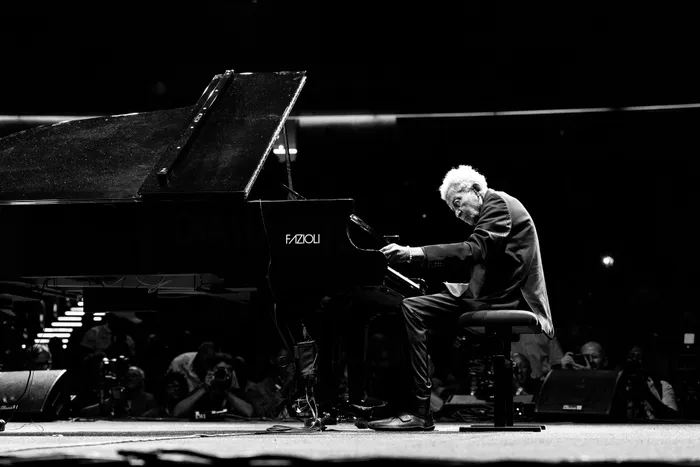
Abdullah Ibrahim, the 91-year-old jazz legend, recently discussed his connection with the team behind the Square Kilometre Array (SKA). Ibrahim spoke about the project’s implications for understanding humanity's origins. "We don’t know about ourselves. That’s the problem," Ibrahim stated, reflecting on a broader human disconnect from ancient knowledge. He added that the SKA "makes you think about where life started, and what connects us to that ancient origin of humanity." This article was originally published on March 25, 2026, and explores Ibrahim's unique perspective on history and identity.
Echoes of Ancestry and Identity
Abdullah Ibrahim, born Dollar Brand, has a lineage deeply rooted in South African history. His birth name, Dollar Brand, was a significant part of his early identity. His grandfather served as the chief stable boy for Paul Kruger, a prominent historical figure. This connection to a figure from the country's past shows the deep historical threads running through Ibrahim's family. Ibrahim's grandmother was a church pianist, and her heritage traces back to the Khomani San people, an indigenous group. This ancestral link to the Khomani San, often recognized as one of the oldest living ethnic groups on Earth, is particularly profound. Research indicates that 96 percent of the global population carries DNA linking them to the Khoi-San. This statistic notes the widespread genetic connection to this ancient lineage, further emphasizing the significance of Ibrahim's own heritage.
During the apartheid era, Ibrahim adopted the name Adolph Johannes Brand to avoid suspicion, a measure taken to navigate the restrictive political climate. This change was a strategic move to circumvent the oppressive laws and surveillance that characterized the period. His original name, Dollar Brand, also had an interesting anecdote associated with it. A border official once humorously referred to a dollar bill used to resolve a passport issue as the 'missing page,' noting the informal nature of some administrative processes at the time. This anecdote provides a glimpse into the bureaucratic challenges and occasional absurdities faced by individuals during that era. Ibrahim's connection to his ancestral roots extends to personal encounters, including a visit to a Khoi-San community. During this visit, an elder explained that becoming a healer requires one to 'die,' a metaphorical journey of transformation and spiritual death. This concept, shared from the heart of an indigenous tradition, deeply resonated with Ibrahim, offering a profound insight into the spiritual dimensions of identity and healing. He found this explanation to be a powerful articulation of a process of profound internal change, aligning with his own philosophical explorations.
Bridging Past and Future Skies
Abdullah Ibrahim recently had dinner at Rooi, a restaurant located within the One & Only hotel in Cape Town. This social engagement shows his continued presence and engagement within South African society. He has been invited to perform under the stars at the Square Kilometre Array (SKA) site, a project that resonates with his reflections on humanity's origins. The SKA is a mega-telescope currently under construction in South Africa's Northern Cape province. This advanced instrument is designed to be powerful enough to peer back in time to within seconds of the Big Bang, offering insights into the universe's earliest moments. The sheer scale and ambition of the SKA project, aiming to unravel the mysteries of cosmic beginnings, align with Ibrahim's own quest for deeper understanding of human origins. The invitation to perform at such a site is a testament to the confluence of art, science, and ancient wisdom that Ibrahim embodies.
Ibrahim has stated that humanity lacks sufficient self-knowledge. "We don’t know about ourselves. That’s the problem," he remarked, emphasizing a perceived disconnect from ancient understanding. He added that the SKA project prompts contemplation on fundamental questions. "It makes you think about where life started, and what connects us to that ancient origin of humanity," Ibrahim explained. This perspective notes a link between the advanced scientific endeavor and deep historical roots, suggesting that both avenues can lead to a more complete understanding of humanity's place in the universe. The project's ability to look back in time, almost to the very beginning of the universe, offers a scientific parallel to Ibrahim's own journey of looking back through history and ancestry.
The location of the SKA in the Northern Cape holds particular significance. Khoi-San communities have observed and interpreted the heavens for thousands of years in the very landscape where the SKA is being built. Their ancient astronomical knowledge and connection to the land provide a historical counterpoint to the modern scientific quest undertaken by the SKA project. This deep history of celestial observation by indigenous peoples in the region adds another layer of meaning to the SKA's mission, creating a bridge between millennia of human inquiry into the cosmos. The juxtaposition of ancient wisdom with advanced technology in the same geographical space creates a powerful narrative about humanity's enduring fascination with the stars.
Remembering a Richer History
Some observers believe that Adam’s Calendar in Mpumalanga represents the oldest man-made structure globally, pointing to a history far predating conventional narratives. This belief challenges traditional timelines of human civilization and suggests a much older, more complex past for the region. Similarly, Bushman cave paintings discovered on the West Coast offer evidence of human activity that significantly predates written history, providing a glimpse into ancient civilizations. These artistic expressions serve as invaluable records of early human life and culture in Southern Africa. Abdullah Ibrahim has criticized the conventional education system for commencing South African history with the arrival of Jan van Riebeeck in 1652, asserting that this approach overlooks the extensive prior existence and contributions of indigenous peoples. He views this historical truncation as a fundamental flaw, leading to a distorted understanding of the nation's true heritage. "We don’t know about ourselves. That’s the problem," Ibrahim stated, noting a perceived gap in historical understanding that he believes hinders self-awareness and identity.
Ibrahim recently spoke about the Star bioscope in District Six, recalling a time when cultural events played a significant role in the community. His memories paint a vivid picture of a vibrant cultural landscape that thrived despite the oppressive political climate. He specifically remembered American singer Johnny “Cry” Ray performing at a segregated show for non-white audiences, illustrating the realities of apartheid-era entertainment. This recollection not only notes the segregation but also the enduring power of music and performance to bring people together, even under restrictive conditions. Ibrahim’s reflections often connect these personal experiences to broader philosophical questions. "It makes you think about where life started, and what connects us to that ancient origin of humanity," he explained, suggesting that understanding these deeper historical roots is key for self-knowledge. For Ibrahim, personal anecdotes and historical facts are not isolated pieces of information but interconnected threads in the grand tapestry of human existence, all contributing to a more profound understanding of who we are.
A Legacy of Wisdom and Wonder
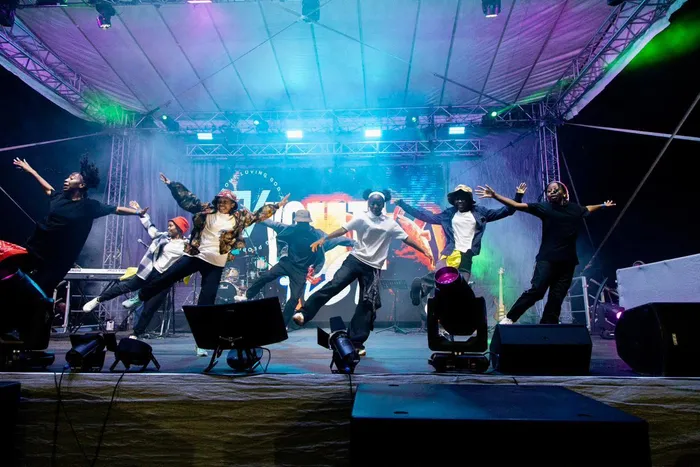
Abdullah Ibrahim is scheduled to perform at the Rosies stage during the Cape Town International Jazz Festival on Friday, March 27. This performance is a highly anticipated event, showcasing his enduring talent and influence. The festival, hosted at the CTICC, runs from March 27 to 28, featuring over 40 local and international artists across four stages. Ibrahim's participation shows his status as a key figure in the global jazz scene and a cultural icon in South Africa. Ibrahim has reflected on a broader human disconnect from ancient knowledge, stating, "We don’t know about ourselves. That’s the problem." He added that such events and historical reflections prompt contemplation on fundamental questions. "It makes you think about where life started, and what connects us to that ancient origin of humanity," Ibrahim explained, emphasizing the importance of understanding these deeper historical roots for self-knowledge. His music, often infused with indigenous rhythms and spiritual depth, serves as a living testament to these connections, inviting listeners to embark on their own journeys of discovery and reflection. Through his artistry and his profound insights, Ibrahim continues to inspire a deeper appreciation for the rich tapestry of human history and our place within the vast cosmos.