From the archive
Ramaphosa Pushes for Agricultural Transformation, Land Release for Black Farmers
President Ramaphosa is releasing 2.5 million hectares of state land to black farmers to transform agriculture, boost output, and create new commercial…
President Cyril Ramaphosa announced on Monday that the government is releasing approximately 2.5 million hectares of State-owned land to black farmers through its Proactive Land Acquisition Strategy. In his weekly newsletter, President Ramaphosa stated the initiative aims to increase agricultural output. "We can bring more land under cultivation, create a new generation of black commercial farmers and ensure that we grow enough not only to feed all our people, but to sell to markets across the world," he said. This significant land release is occurring in various parts of the country, marking a key step in the nation's agricultural transformation efforts. The initiative, as outlined by the President, specifically aims to provide black farmers with title deeds, thereby building a new generation of commercial farmers and expanding South Africa’s productive agricultural base.
Sector Growth and Disparities
South Africa’s agricultural sector has more than doubled in size since the advent of democracy in 1994, demonstrating remarkable resilience and growth. The sector’s exports reached a record R270 billion in 2025, showing its increasing contribution to the national economy and its position in international markets. Despite this impressive expansion, significant disparities persist within the industry. Predominantly white-owned commercial farms continue to account for the majority of commercial agricultural output, reflecting historical patterns of land ownership and resource allocation. In stark contrast, black farmers contribute only approximately 10% to the total commercial agricultural production. This persistent imbalance notes the ongoing need for targeted initiatives aimed at broadening participation and ownership within the sector to more accurately reflect the country's demographics and promote inclusive economic growth.
Land Release Initiative Details
The government's land release initiative is meticulously designed to provide black farmers with title deeds, according to official statements from President Ramaphosa. This strategic program seeks to cultivate and empower a new generation of commercial farmers across South Africa. A primary objective is to significantly expand the nation's productive agricultural base, which in turn aims to enhance national food security and boost agricultural exports, strengthening the country's economic standing. The provision of title deeds is a critical component, as it is intended to offer security of tenure, a fundamental requirement that allows farmers to access vital financial services and invest confidently in their operations for long-term sustainability and growth. This strategic intervention is central to addressing deeply entrenched historical imbalances in land ownership and participation within the agricultural sector. The initiative is part of a broader, full effort to transform the entire industry and ensure more equitable and inclusive economic growth for the country as a whole.
Success Story: Redlands Farm
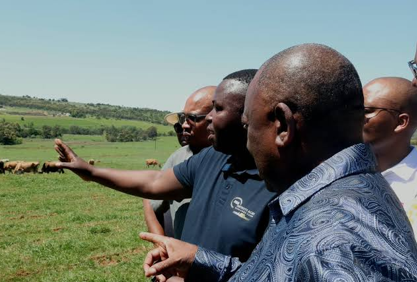
Redlands Farm, a commercial dairy operation located in Stutterheim in the Eastern Cape, serves as a compelling example of emerging agricultural success and the potential for transformation. This thriving farm is proudly owned and operated by young black farmers, directly contributing to the government's broader goals of transforming the agricultural sector and fostering new talent. The farm has also been a beneficiary of the Land Bank’s Blended Finance Scheme, a key support mechanism. This scheme provides essential financial support specifically aimed at developing black farmers and increasing their meaningful participation in commercial agriculture, bridging historical gaps. The success of Redlands Farm notes the tangible potential for new farmers to thrive with targeted support, strategic access to land, and strong financial assistance. The Stutterheim farm's operation as a commercial dairy demonstrates concrete progress in diversifying ownership and operational control within the industry, showcasing what can be achieved through dedicated initiatives.
Vision for Inclusive Agriculture
South Africa currently holds the impressive position of the world’s 32nd-largest agricultural exporter, indicating its significant and growing role in global food markets and its capacity for international trade. The agricultural sector is a substantial employer within the nation, directly providing jobs for approximately 944,000 individuals, making it a cornerstone of rural and national employment. Beyond direct farm employment, an additional 200,000 people are engaged across the broader agricultural value chain, encompassing a wide array of activities such as processing, distribution, logistics, and related support services. This combined employment figure shows the sector's immense economic importance and its critical contribution to livelihoods across the country. The government's initiatives, including the proactive land release program, aim to further enhance this vital sector's capacity, productivity, and inclusivity, ensuring a more equitable and prosperous future for all South Africans.