Siphiwe Tshabalala, the former South Africa national team midfielder, recently discussed his iconic goal during the opening match of the 2010 FIFA World Cup against Mexico. Tshabalala’s strike, which opened the scoring in the 55th minute before Mexico equalized to secure a 1-1 draw, has long been remembered as a highlight of the tournament hosted in South Africa. The goal, celebrated for its precision and power, has been widely debated regarding its intentionality in the years since it occurred. This clarification from Tshabalala provides new insight into one of the most memorable moments in the history of the FIFA World Cup.
The Build-Up and Finish
Siphiwe Tshabalala, speaking to News24, clarified that the origin of his memorable goal against Mexico in the 2010 FIFA World Cup was not accidental. The South African midfielder's strike, which opened the scoring in the 55th minute of the tournament's opening match, has often been characterized by its unexpected nature. However, Tshabalala indicated that the sequence leading to the goal was a result of deliberate play rather than a fortuitous moment. He scored a goal in the Bafana Bafana 1-1 draw with Mexico, a result that captured global attention. This statement addresses long-standing speculation surrounding the goal, which has remained a significant moment in World Cup history and for South African football. The clarification suggests a level of intentionality and execution that contributed to the goal's iconic status, reinforcing its place as a meticulously crafted piece of play.
Context of the Match
The match in question was the opening fixture of the 2010 FIFA World Cup, a significant event for South Africa as the host nation and for the African continent as it marked the first time the tournament was held there. The atmosphere was charged with national pride and global anticipation as the host country faced Mexico. This particular game, held on June 11, 2010, at Soccer City in Johannesburg, was watched by millions worldwide, setting the tone for the month-long international competition. Tshabalala's goal, scored in the second half, ignited celebrations across South Africa and became an enduring image of the tournament, representing a moment of triumph for the host country on the world stage. The 1-1 draw ultimately saw both teams earn a point in Group A, a result that kept hopes alive for Bafana Bafana in the group stages. The importance of this opening match cannot be overstated, as it set a precedent for the entire tournament and showcased South Africa's capability as a world-class host.
Memorable Celebration
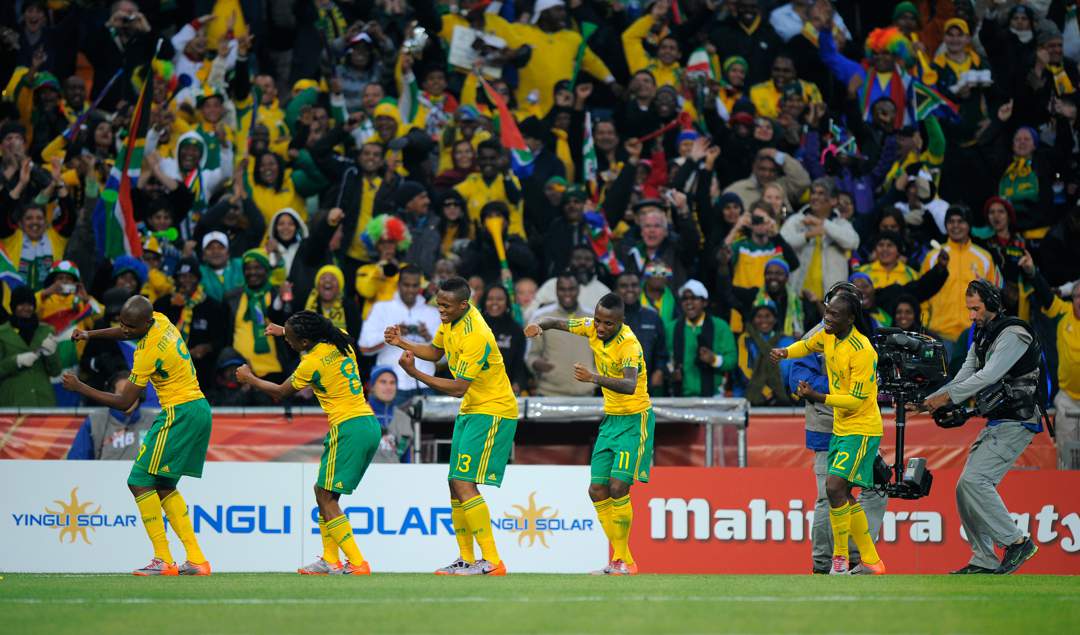
The goal was followed by a memorable celebration that became an iconic image of the tournament. Siphiwe Tshabalala and his teammates performed a choreographed dance at the corner flag, a vibrant display that resonated with the celebratory atmosphere of South Africa hosting the World Cup. This collective expression of joy captured the spirit of the event, with the dance symbolizing the pride and excitement felt across the host nation. The celebration was widely replayed and recognized as a defining moment, cementing the goal's place in football history beyond just its technical execution. It noted the cultural richness of the host country and added an unforgettable visual element to the tournament's opening act. The spontaneity and unity displayed in the celebration further amplified the impact of Tshabalala's stunning strike.
Source Confirmation
Siphiwe Tshabalala's recent clarification regarding his 2010 World Cup goal against Mexico was provided in an interview with News24. The former South Africa national team midfielder discussed the intentionality of the strike that opened the scoring in the tournament's opening match. News24, a prominent South African digital news platform, published Tshabalala's statements, which addressed long-standing speculation about the goal. His confirmation that the origin of the goal was not by accident offers a definitive answer to a question that has puzzled football fans for over a decade. This interview provides valuable insight directly from the player himself, ensuring an authoritative account of the circumstances surrounding the historic moment.